
- For PC
- For MAC
- For Linux
- OS: Windows 10 (64 bit)
- Processor: Dual-Core 2.2 GHz
- Memory: 4GB
- Video Card: DirectX 11 level video card: AMD Radeon 77XX / NVIDIA GeForce GTX 660. The minimum supported resolution for the game is 720p.
- Network: Broadband Internet connection
- Hard Drive: 23.1 GB (Minimal client)
- OS: Windows 10/11 (64 bit)
- Processor: Intel Core i5 or Ryzen 5 3600 and better
- Memory: 16 GB and more
- Video Card: DirectX 11 level video card or higher and drivers: Nvidia GeForce 1060 and higher, Radeon RX 570 and higher
- Network: Broadband Internet connection
- Hard Drive: 75.9 GB (Full client)
- OS: Mac OS Big Sur 11.0 or newer
- Processor: Core i5, minimum 2.2GHz (Intel Xeon is not supported)
- Memory: 6 GB
- Video Card: Intel Iris Pro 5200 (Mac), or analog from AMD/Nvidia for Mac. Minimum supported resolution for the game is 720p with Metal support.
- Network: Broadband Internet connection
- Hard Drive: 22.1 GB (Minimal client)
- OS: Mac OS Big Sur 11.0 or newer
- Processor: Core i7 (Intel Xeon is not supported)
- Memory: 8 GB
- Video Card: Radeon Vega II or higher with Metal support.
- Network: Broadband Internet connection
- Hard Drive: 62.2 GB (Full client)
- OS: Most modern 64bit Linux distributions
- Processor: Dual-Core 2.4 GHz
- Memory: 4 GB
- Video Card: NVIDIA 660 with latest proprietary drivers (not older than 6 months) / similar AMD with latest proprietary drivers (not older than 6 months; the minimum supported resolution for the game is 720p) with Vulkan support.
- Network: Broadband Internet connection
- Hard Drive: 22.1 GB (Minimal client)
- OS: Ubuntu 20.04 64bit
- Processor: Intel Core i7
- Memory: 16 GB
- Video Card: NVIDIA 1060 with latest proprietary drivers (not older than 6 months) / similar AMD (Radeon RX 570) with latest proprietary drivers (not older than 6 months) with Vulkan support.
- Network: Broadband Internet connection
- Hard Drive: 62.2 GB (Full client)
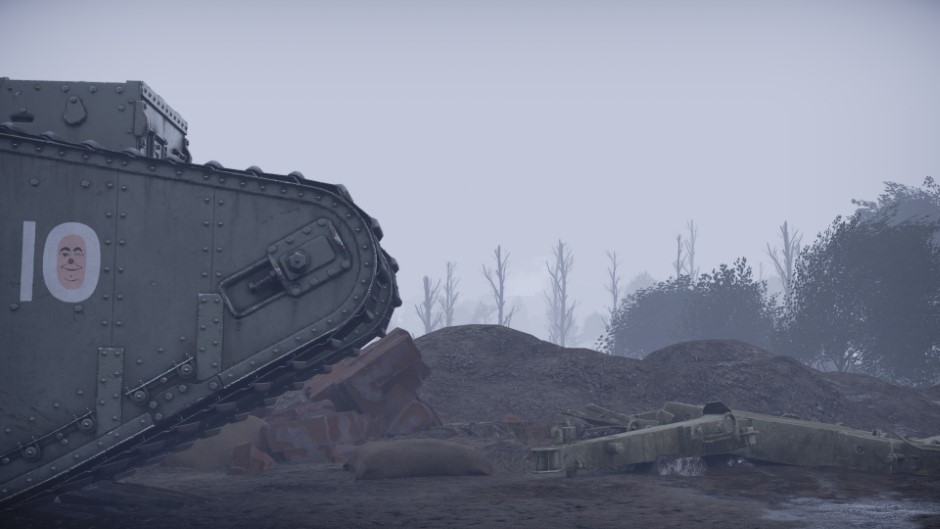
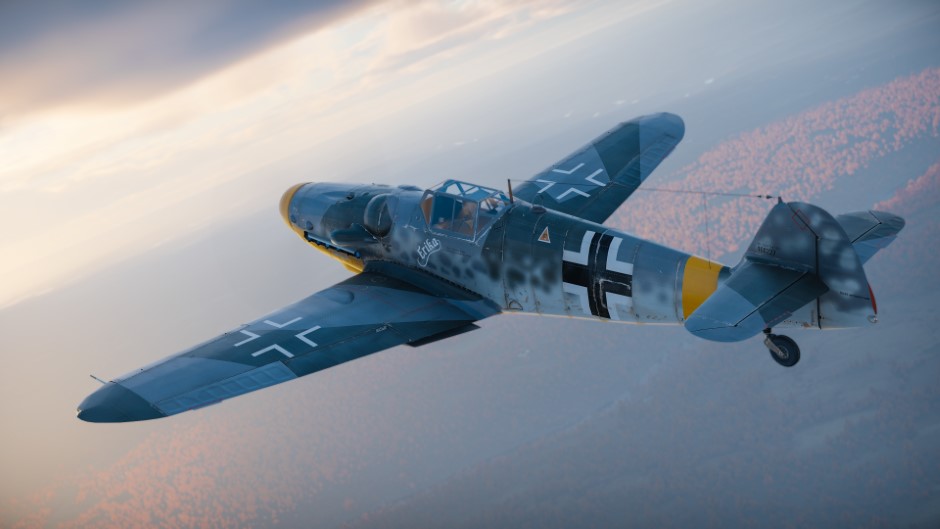
Hey everyone! We’re back with some more historical decals for March, we hope you liked the selection for February and are keen to collect some more! Quite a few rarer markings this time around, Erika proved to be especially obscure. We found one fuzzy photo of it in an old emblem book in our office, and as always our artist Colin did a great job of recreating it for the game. A note for the wizard, as the original placement was internal the decal won’t be able to be placed on the original location in the game (we’ve applied it directly to a skin for the screenshot), but we’re sure you can come up with some great spots for it all the same.
The following decals are available
All tasks can be completed using vehicles that are rank III or higher.

Finish in position 1-3 three times using German Aircraft
Defeat 20 Players in Ground Vehicles while using Guided Bombs and ATGMs using USA Aircraft
Score 20000 Damage while using USSR Coastal Vessels

Earn 15000 score while using British Ground Vehicles
Defeat 50 players using Swedish Ground Vehicles
Erika Inscription
A personal inscription of Hans "Waldi" Waldmann, 6./JG 52 (6th Squadron of the 52nd Fighter Wing), Luftwaffe. Hans joined JG 52 as a sergeant on the 21st of August 1942 flying the Bf 109 G-2. He achieved his first victory only weeks later on the 7th of September, and less than a year later had already tallied 50 aerial victories. In total, he would achieve 125 victories while part of JG 52, before transitioning to JG 7 and the Me 262 in the final year of the war. Hans painted several markings on his aircraft over his career, one of the rarest and least documented was the inscription "Erika”; the name of his girlfriend. It was painted at an angle under the cockpit on the port side of his Bf 109 G-6 during the tail end of his time with JG 52.
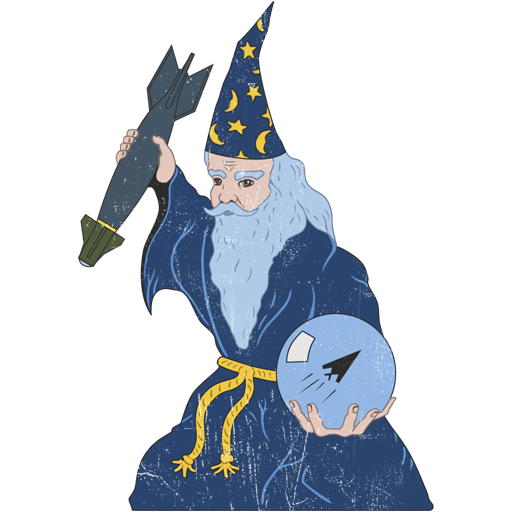
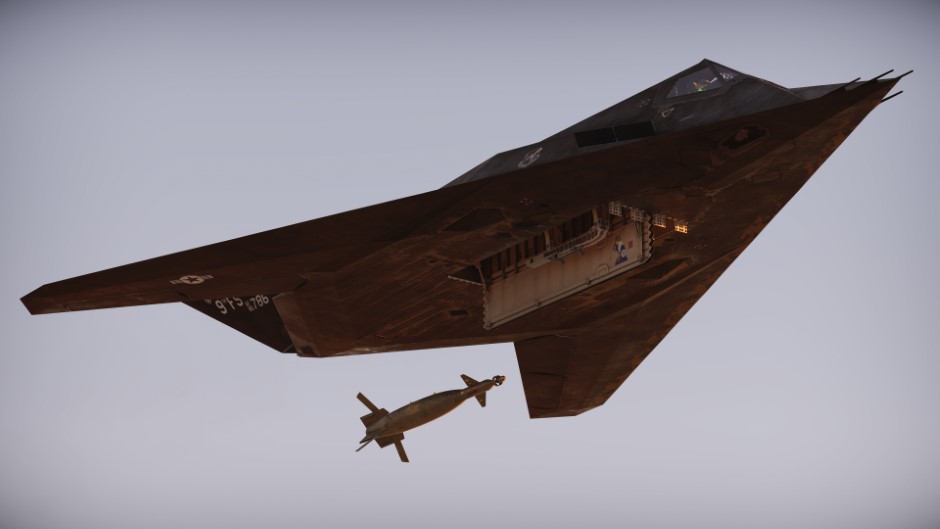
"GBU Wizard" Art
“GBU Wizard” artwork, 416th Tactical Fighter Squadron, USAF. Following the prominent Air Force tradition of personal nose art, F-117 pilots in the Gulf War had to not only be tactical with their aircraft, but with their markings as well. As the aircraft were painted with special RAM paint, personal markings were forbidden on the exterior of the aircraft as to not compromise the special radar-absorbing properties of the coating. Unperturbed by this restriction, pilots painted their personal markings on the inside of the aircraft on the internal bomb bay doors instead. Most of the artwork focused around the mystical nature of the F-117, with many examples of artwork pertaining to magic and sorcery. This quintessential example was painted at the edge of the internal bomb bay door on F-117 81-10797, with the accompanying text "Spell Bound" off to the right.
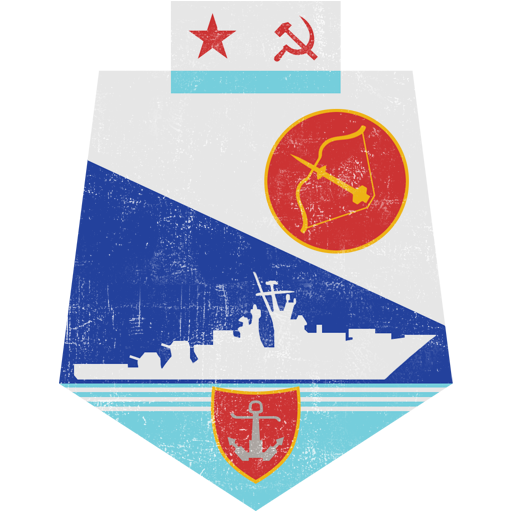
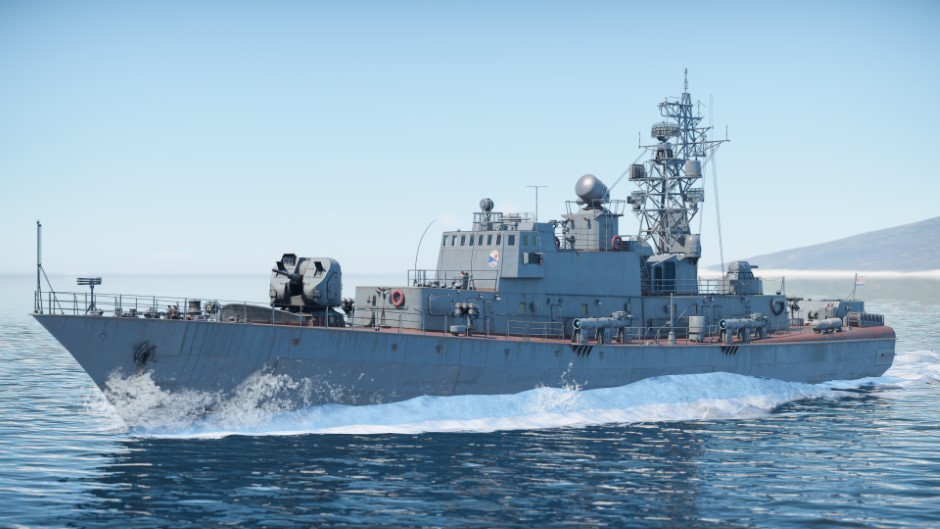
MPK OVR Emblem
The emblem of Anti-Submarine Ships of the Water Area Defense Brigade, Soviet Navy. In the early 1970s, a special commission was created to design naval emblems for specific ship types and roles in the navy. Artist Valentin Pechatin led the design team, creating the majority of the emblems by 1972. Each element of the base shield was meticulously designed; the five points on the shield represent the four major fleets and the Caspian flotilla. The blue triangle and white stripes at the bottom represent the collar on sailors' uniforms. The missile in the bow was the standard emblem used by these ships, but certain vessels had the coat of arms of a city painted instead. Positioning varied slightly, but common placements were on the front of the bridge under the far right window, the sides of the bridge, or to the side of the radio station.
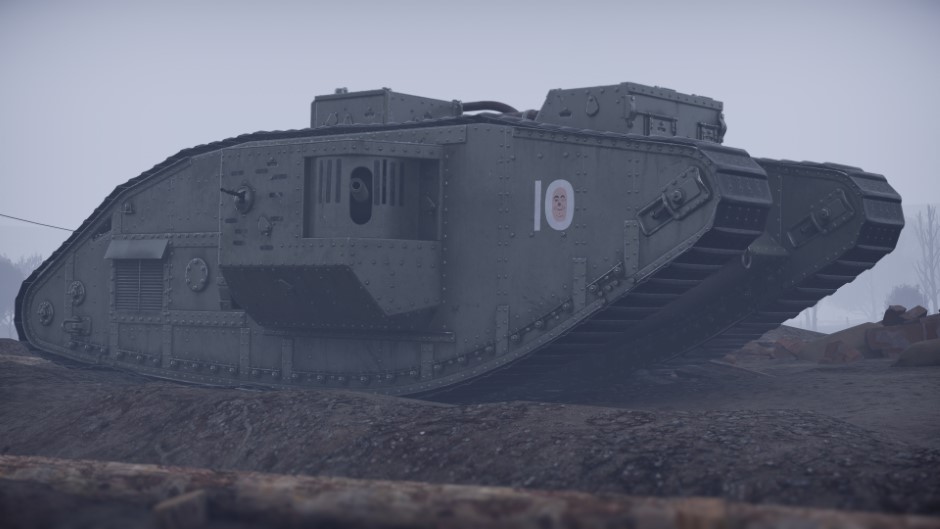
"Winking Clown" Emblem
“Winking Clown” emblem, F Battalion, 16th Company, 2nd Section, British Tank Corps. This somewhat unsettling emblem belonged to a British Female tank, serial number 2716, commanded by 2nd Lieutenant Seymour. Not many details on the tank’s service and crew are known, with sources even conflicting on the first name of the tank’s commander. Records of the tank go cold after the Third Battle of Ypres on July 31st, 1917. It does not appear after this point or in any salvage logs, which strongly suggests it was lost in the battle. The marking itself is similarly mysterious, it may possibly be based on a French Pierrot clown, as the nickname of the tank "Feu D'enfer" (Hellfire) was also French. It was positioned on the hull of the tank on the starboard side under the driver's cabin, next to the battalion letter F which appeared before the 10.
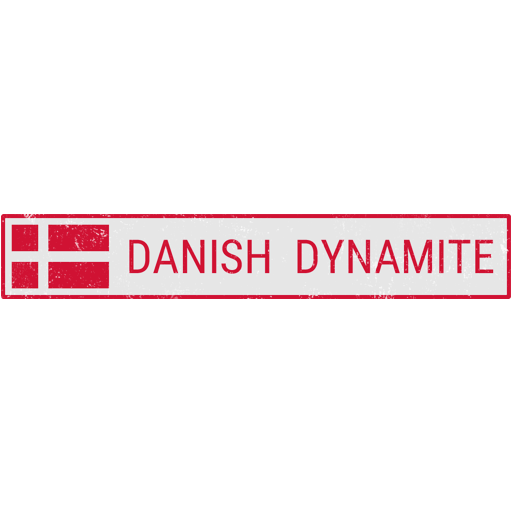
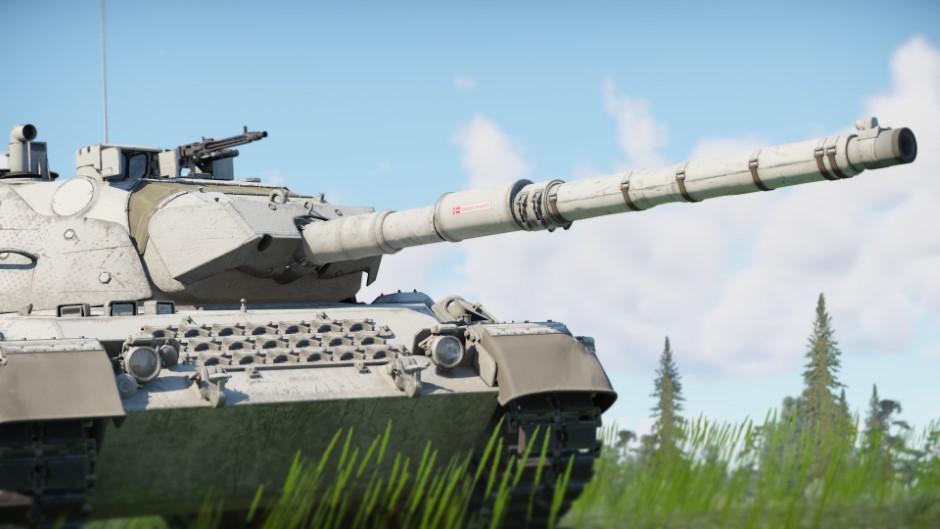
Danish Dynamite Emblem
“Danish Dynamite” emblem, Royal Danish Army. In the 1990s, a handful of Leopard 1A5DK tanks from the Jutland Dragoon Regiment were sent to Bosnia as part of Peacekeeping duties under UNPROFOR (United Nations Protection Force). The tanks were part of NORDBAT 2 (Nordic Battalion 2), a reinforced Swedish-Danish-Norwegian mechanized battalion under Swedish command. As the tanks were operating out of Denmark in UN colors, many of their markings related to their home country in some form as a way to represent themselves. One of the most archetypal of these markings was “Danish Dynamite”, which was painted small on the bore evacuator on Leopard 1A5DK No. 16177.
Destroy 30 Ground or Water targets using Italian Aircraft

Finish in position 1-5 five times using Chinese Aircraft
Win 10 battles using French Ground Vehicles
Play 20 matches while using Israeli Ground Vehicles with a minimum of 60% Battle Activity
Defeat 40 players using Japanese Light Tanks
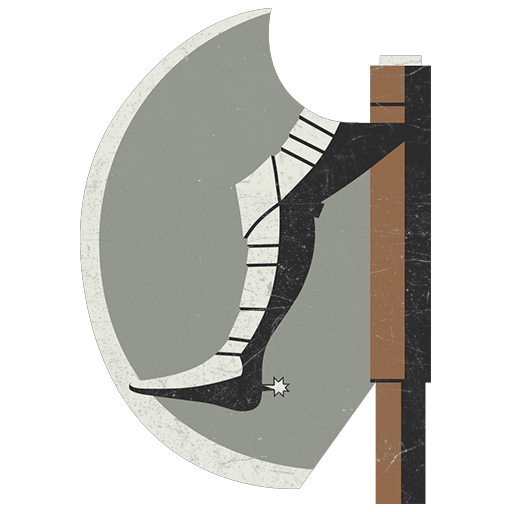
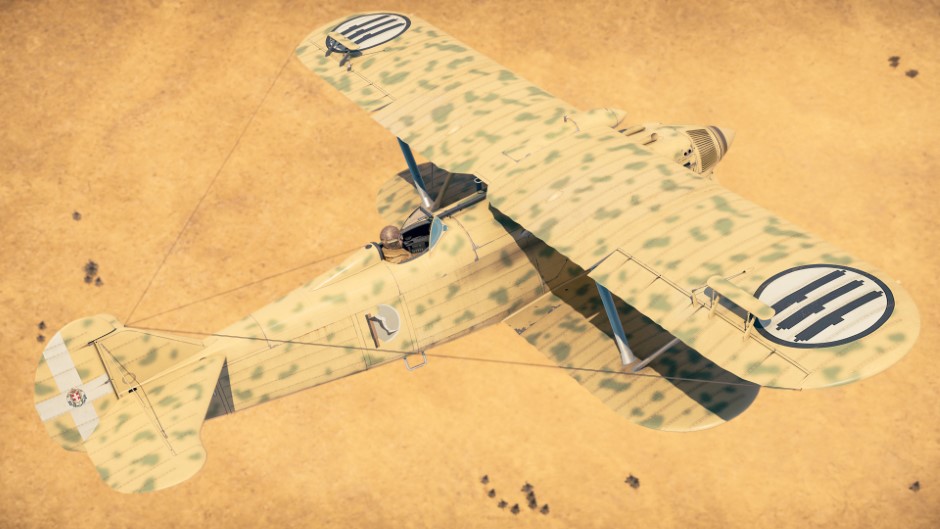
VI Gruppo Caccia "Gamba di Ferro" Emblem
Emblem of the 32ª Squadriglia, VI Gruppo Caccia "Gamba di Ferro" (32nd Squadron, 6th Fighter Group, "Iron Leg"), Aviazione Legionaria. While there are several variants of the "Iron Leg" emblem, this more stylized variant was the first, created in honor of the squadron’s Captain, Ernesto Botto. Ernesto was hit on his right thigh by an I-16 over Mediana. Despite the shot shattering his femur, he was able to shoot down one I-16 and disperse the others, landing his aircraft in a field shortly after. He survived but lost his leg. After amputation, it was replaced with an iron prosthetic. Once he found his way back to his squadron, he found that the artistically inclined Sergeant Major Benassi had created the emblem in his honor, painting it on the fuselage behind the cockpit on the squadron’s CR.32 fighters. The emblem would be adopted as the marking of the entire 6th Fighter Group, and Ernesto would go on to be known as the "Iron Leg."
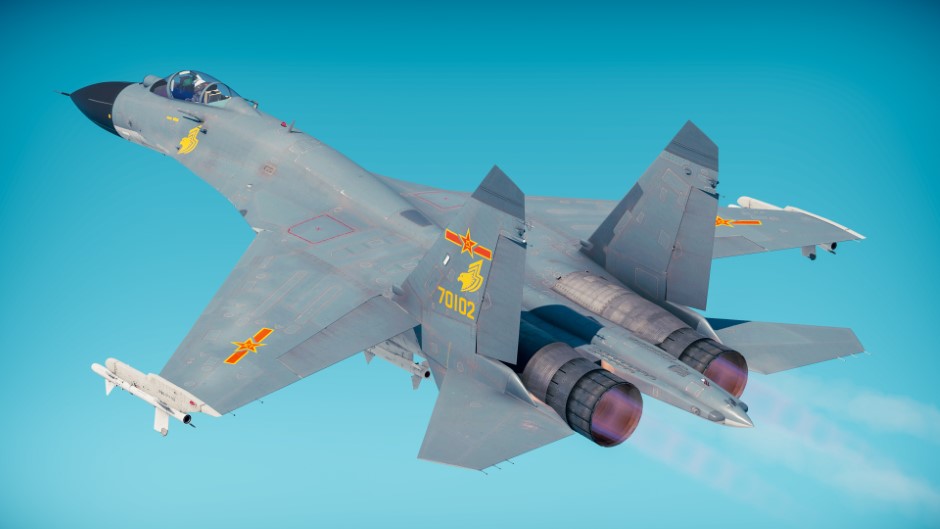
33rd Fighter Division emblem
33rd Fighter Division emblem, PLAAF. The division was formed in 1960 in Hubei, composed of two regiments and equipped with the MiG-15bis. In 1969, the division moved to Chongqing, where they would develop the identity of the "Fog City Eagles" (雾都雄鹰). The emblem of the division is a golden eagle with a stylized "33" tracing its outline. The division still holds a legendary reputation, with one of the squadron's pilots, Jiang Jiaji (蒋佳冀), being the first pilot to win the "Golden Helmet" award at the annual air combat competition three times. The emblem is painted on the J-11 fighters of the division, on the outsides of the vertical stabilizers under the roundel, and on the port side of the fuselage under the rear of the cockpit; it is not painted on the starboard side due to the positioning of the cannon.
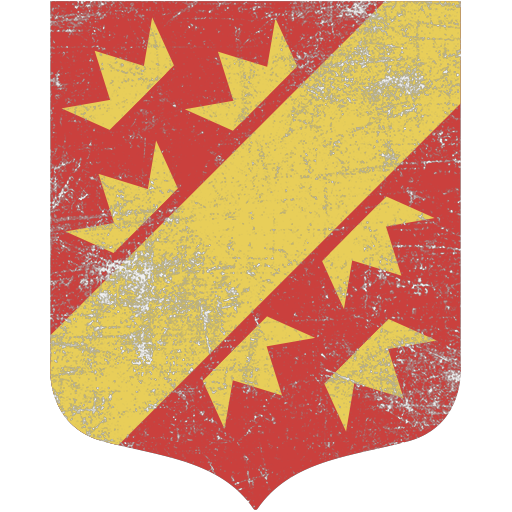
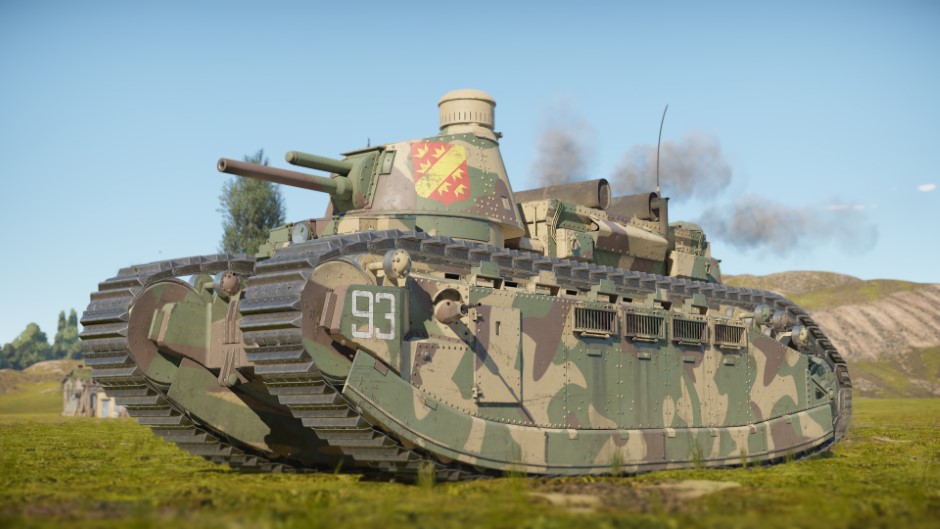
51e BCC Emblem "Alsace"
An emblem of 51e Bataillon de Chars de Combat (51st Tank Battalion), French Army. The 51st was formed in September 1939, composed of a handful of giant Char 2C tanks. Despite their imposing nature, the army considered the tanks obsolete by the outbreak of World War 2, and deliberately kept them out of combat. They were instead used as propaganda machines; appearing in films and media as morale-boosting “unstoppable” super tanks. To cement their legacy, each 2C was named after an old French region. Number 93 was Alsace, and along with the nameplate, this emblem of the heraldic shield of the region was painted on the side of the turret. After the German breakthrough, number 93 and the other 2C tanks were loaded onto a transport train to prevent their capture. Due to a block on the railway however, the crews were forced to scuttle the giant tanks, with all but one being destroyed on the evening of June 15th, 1940.
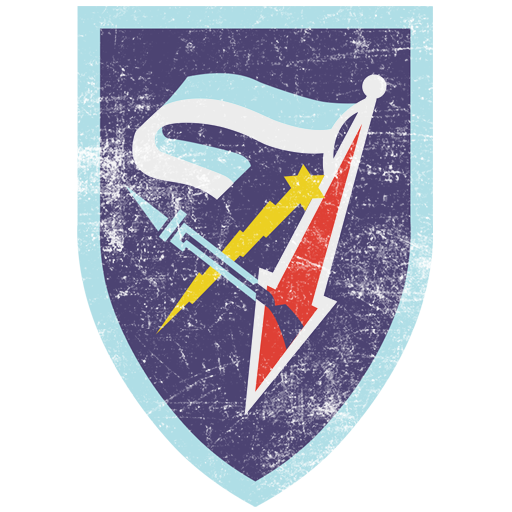
7th Armored Brigade Emblem
The emblem of the 7th Armored Brigade, IDF. The emblem was created by a soldier in the brigade’s maintenance department in 1948, incorporating many key details. Interestingly, the badge was the first example to include the number into the design itself. It consists of a flag, representing the Israeli colors, and a red arrow, which represents the breakthrough of the Burma Road. The crossed bolt and rifle represent both infantry and armor working together, as the group was initially a mechanized brigade before becoming a full armored brigade. While brigade emblems are not regularly placed on modern vehicles for security reasons, historically they were more common, and the emblem of the brigade could be seen on the front plates and bumpers of their armored cars in the late 1940s.
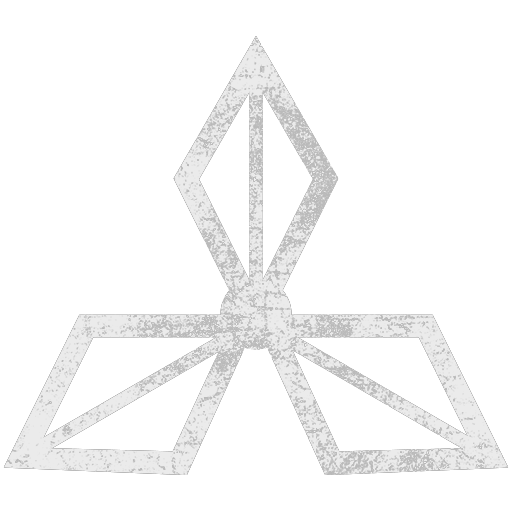
14th Infantry Division Emblem
Emblem of the 14th Infantry Division, Imperial Japanese Army. The emblem of the division undeniably resembles the Mitsubishi logo, and while there are circumstantial links to this likeness being deliberate, there is limited conclusive evidence to draw on. The 14th operated Ha-Go tanks manufactured by Mitsubishi, and during the 1940s, their logo was depicted with a more rhomboid shape, matching the emblem of the 14th closely. It could also be a visual reference to the codename of the division, “照兵団” or “Shining Division,” with the emblem intending to emulate rays of light. These kinds of markings were often less standardized and informal in the later war years, and aside from their basic shape, deriving the meaning behind the design is regularly speculative. The emblem was placed on the turret sides of the Division’s Ha-Go tanks while deployed in Peleliu in 1944.
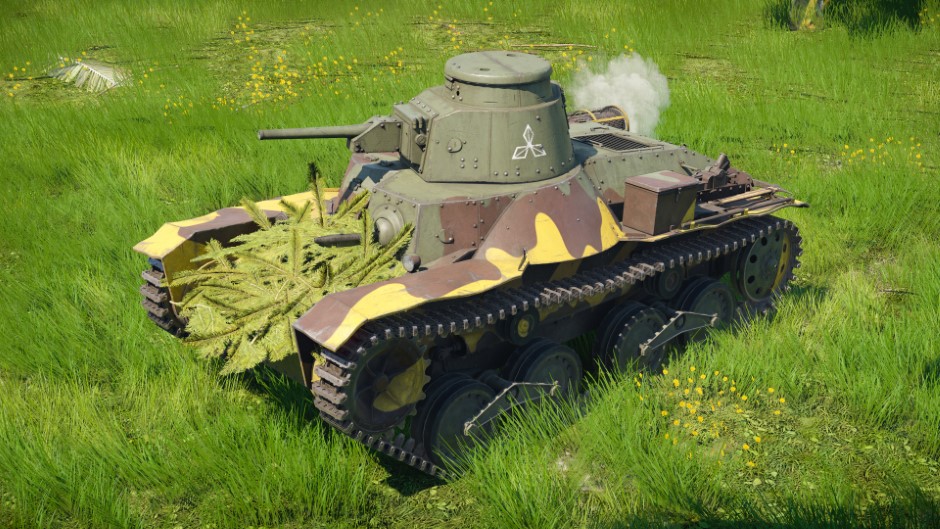
Monthly markings can be found in a special tab at the bottom of the customization menu, (Monthly Decals) after a month, they’ll be moved to their corresponding category.
You can check the exact terms and track the progress of completing tasks for these decals by going to your Player Profile > Decals > Monthly Decals. From here, click the “Track progress” button on each decal to track from the hangar.
All of the emblems will come with a detailed description. This will generally consist of the history of the marking, its design, which vehicles used it, and where it was often placed on vehicles historically if applicable (some emblems are taken from badges, which weren’t always applied). This way you can more easily recreate the original positioning if you’d like.
That’s all for today! We hope you enjoy unlocking this collection. The team are hard at work finishing up the major update, so until then have fun and we’ll see you soon for more!
Comments (20)
Comments will be premoderated"Vi er røde, vi er hvide, vi er danske dynamite!" I will be singing it as I apply this decal to my tonks :)
Are you Danish, Stona)_WT?
Bartelrune, Nope
The clown and the wizard are pretty funny, quite fitting for the April 1st theme.
The wizard is the embodiment of "Parry this, you filthy casual"
i need this erika decal so much (for obvious reasons)
Awsome to se some more representation for the Danish Army and our contributions in the world
love the shadow wizard money gang decal also where is the eitan devblog?
Love the monthly decals, some of my favorite parts of the game. Hope to see in the future the US Strategic Air Command Shield (SAC) for US Air Force.
Mitsubishi Decal!! Thanks Gaijin :D
This is the most powerful set of decals I've seen yet.
Looking great as always ! I just wish they would look less damaged and scratched from the get go
Erika! What is the Backstory on the winking Clown decal? Was it from WW1 due to its placement on the Mark V? Is this maybe a hint at more Great War content in the future?
You can read history part in article (click spoiler)
Stona_WT, Thanks, didn't see the first Spoiler 👍
Submit a complaint