
- For PC
- For MAC
- For Linux
- OS: Windows 10 (64 bit)
- Processor: Dual-Core 2.2 GHz
- Memory: 4GB
- Video Card: DirectX 11 level video card: AMD Radeon 77XX / NVIDIA GeForce GTX 660. The minimum supported resolution for the game is 720p.
- Network: Broadband Internet connection
- Hard Drive: 23.1 GB (Minimal client)
- OS: Windows 10/11 (64 bit)
- Processor: Intel Core i5 or Ryzen 5 3600 and better
- Memory: 16 GB and more
- Video Card: DirectX 11 level video card or higher and drivers: Nvidia GeForce 1060 and higher, Radeon RX 570 and higher
- Network: Broadband Internet connection
- Hard Drive: 75.9 GB (Full client)
- OS: Mac OS Big Sur 11.0 or newer
- Processor: Core i5, minimum 2.2GHz (Intel Xeon is not supported)
- Memory: 6 GB
- Video Card: Intel Iris Pro 5200 (Mac), or analog from AMD/Nvidia for Mac. Minimum supported resolution for the game is 720p with Metal support.
- Network: Broadband Internet connection
- Hard Drive: 22.1 GB (Minimal client)
- OS: Mac OS Big Sur 11.0 or newer
- Processor: Core i7 (Intel Xeon is not supported)
- Memory: 8 GB
- Video Card: Radeon Vega II or higher with Metal support.
- Network: Broadband Internet connection
- Hard Drive: 62.2 GB (Full client)
- OS: Most modern 64bit Linux distributions
- Processor: Dual-Core 2.4 GHz
- Memory: 4 GB
- Video Card: NVIDIA 660 with latest proprietary drivers (not older than 6 months) / similar AMD with latest proprietary drivers (not older than 6 months; the minimum supported resolution for the game is 720p) with Vulkan support.
- Network: Broadband Internet connection
- Hard Drive: 22.1 GB (Minimal client)
- OS: Ubuntu 20.04 64bit
- Processor: Intel Core i7
- Memory: 16 GB
- Video Card: NVIDIA 1060 with latest proprietary drivers (not older than 6 months) / similar AMD (Radeon RX 570) with latest proprietary drivers (not older than 6 months) with Vulkan support.
- Network: Broadband Internet connection
- Hard Drive: 62.2 GB (Full client)

Hey again! We’re back for the final set of monthly historical decals for the year, one for each nation. Incidentally we have some slightly rarer makings this time around, we were quite taken with the exasperated shark of (Tauch-)PzAbt. C. We thought “FOR SALE” would be fun too, this one was painted on a landing craft, and while we primarily want to include markings that were placed on playable vehicles we have in the game, we thought this one would have some fun applications, thanks for submitting it on the forum! We check the suggestions regularly, so make sure to keep posting decals there!
The following decals will be available from until .
All tasks can be completed using vehicles that are rank III or higher.
New decals

Score 20000 Damage while using American Vessels

Finish in position 1-5 five times while driving German Tanks
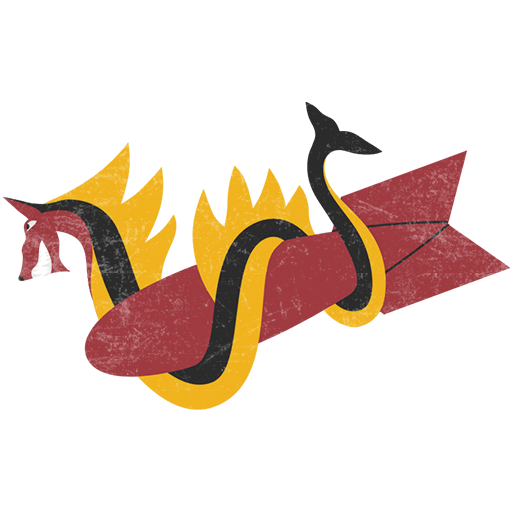
Destroy 30 Ground or Water targets while flying Swedish aircraft

Play 20 battles while using Chinese Tanks with a minimum of 60% Battle Activity
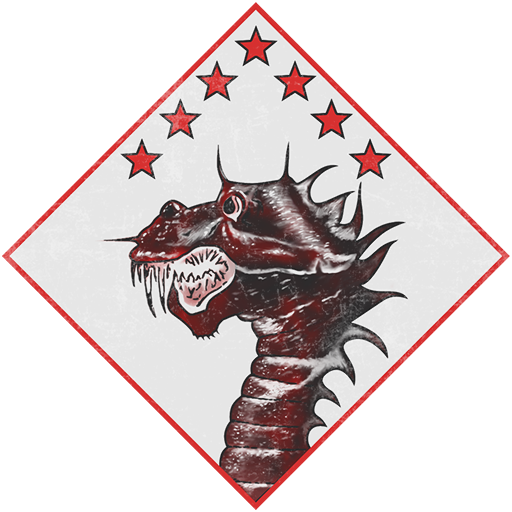
Finish in position 1-3 three times while using USSR Aircraft
“FOR SALE” inscription, U.S. Navy. As the story goes, in early 1945 two sailors aboard LSM-51 named John Kann and Joe Sherrill were sent over the side to scrape and paint the hull, after losing favor with the ship's officer Warren Treece. While over the side of the hull, the two hatched a plan to defy their punishment by playing a joke, by painting a big “For Sale” sign on the hull. After completing their artwork, several days later the ship’s captain was hailed by the TG Commander, who asked "how much do you want for it?" In a calmer moment after the confusion, Captain James Potts rowed out in a dinghy and saw the sign. He flew into a rage, swearing to punish the person responsible, thankfully no one on board revealed it was Joe and John. In Joe’s retelling of the story 50 years later, he claims to have painted the sign in red zinc-chromate primer, though photos show that the sign matches the color of the glossy white hull number, suggesting this detail was misremembered. The inscription was painted large across the port side of the ship.
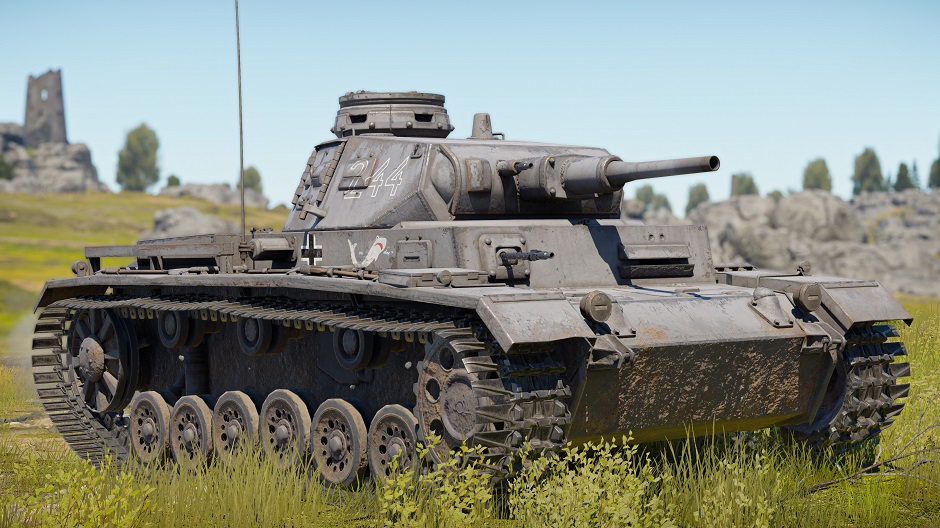
The emblem of Tauch-Panzer-Abteilung C, Panzer-Regiment 28, 18. Panzer-Division ("Submersible" Tank Battalion C, 28th Panzer Regiment, 18th Panzer Division), Wehrmacht. Much like Battalion B (which also used a sea creature for its emblem), this battalion was composed of “Tauchpanzers” or “diving tanks.” These were modified Panzer III and IV models that were capable of driving along the seafloor. They were modified for Operation Sea Lion, the plan to invade Great Britain which never reached reality. The emblem of Battalion C was a rather exasperated-looking shark, appearing slightly pained and less menacing as many German armor markings. The design varied slightly, with some sharks being simple line drawings while others had color. Positioning varied as well, but most sharks were painted on the hull side of the Pz.III and IV models in use with the battalion, usually below the front of the turret with the shark facing forward.
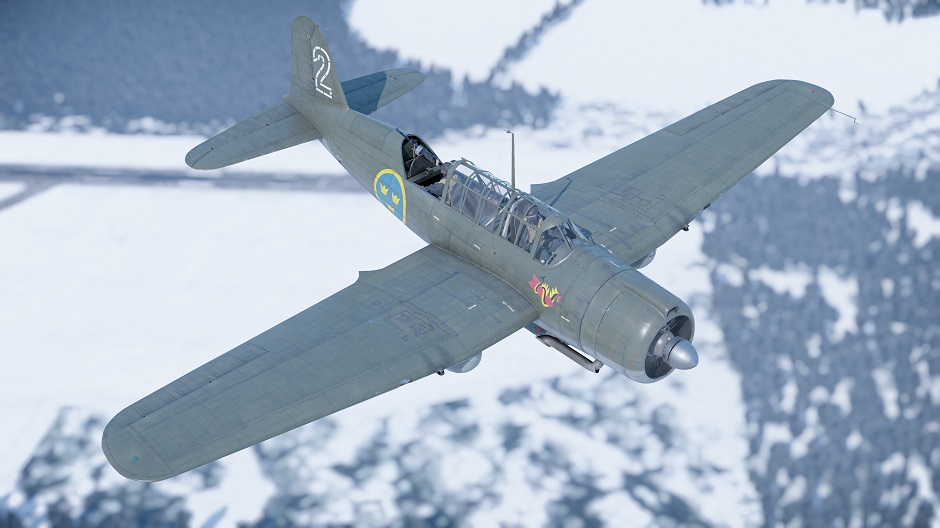
The emblem of Första divisionen, F 4 Frösön (1st Division of the Jämtland Wing), Swedish Air Force. During 1944, the 1st division swapped out their previous penguin emblem for a new one, depicting “Storsjöodjuret” (The Great Lakes Monster). Similar to the more widely known Loch Ness Monster, the folklore creature is said to inhabit lake Storsjön in Jämtland. It was first recorded in 1635, in a story where a runemaster sealed the creature into the depths of the lake, though its origin story has been adapted several times since this initial telling. Much like Nessie, visitors to the lake still claim to have spotted the creature, though evidence is predictably dubious. The marking of Storsjöodjuret coiled around a red bomb was most commonly positioned on the B-17A light bombers of the division, painted on both sides under the front of the cockpit before the engine.
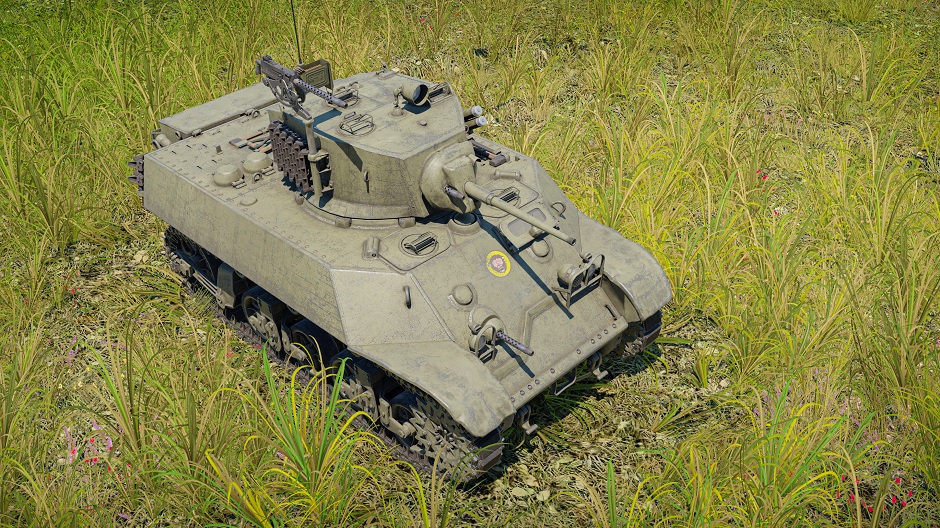
The emblem of the 3rd Regiment of the Armored Brigade, ROCA. The emblem of the regiment is a stylized rendition of King Kong. The original film was exported to China after its initial domestic release and became quite popular culturally. King Kong as an icon is powerful and resilient, making it quite a fitting motif for an armored force. The emblem was used most commonly as a patch, but was placed on several armored vehicles of the regiment, notably their Stuarts and M8 Scotts. The emblem was regularly positioned on the front plate, on the upper hull for Stuarts and the lower hull for Scotts.
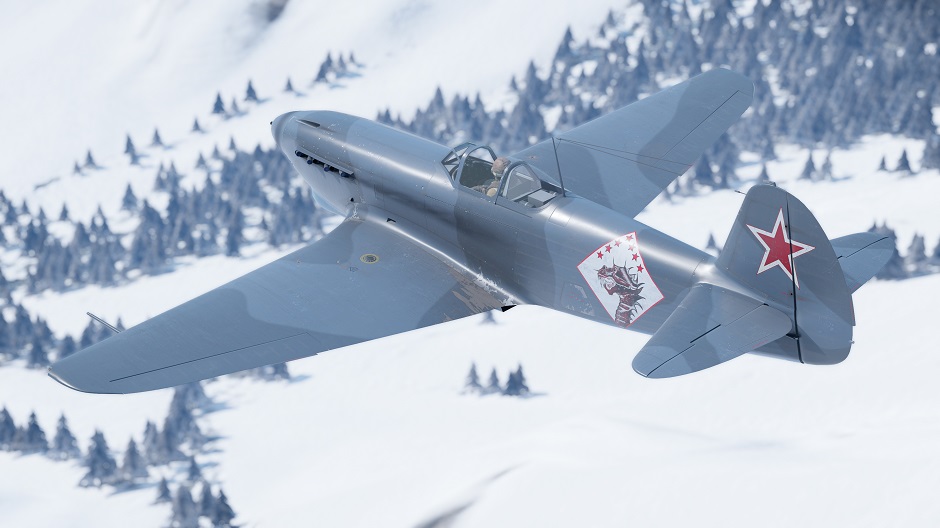
The personal marking of Alexander Nikolaevich Kilaberidze, 65th GIAP (65th Guards Fighter Aviation Regiment), Soviet Air Force. Alexander joined the Air Force in 1941, but would advance to Guards Major of the 65th by 1944, before being lost in an air collision on October 10th, 1944. He was credited with at least 11 aerial victories, 10 of which were Fw 190s. The origin of the marking itself is unclear. Kilaberidze was from Georgia, and so his monster may be a depiction of the folklore creature Gveleshapi (გველეშაპი), often visually represented as a cross between a snake and a dragon. In original stories, the creature is more of a force of nature rather than an evil beast to be slain, which would make it a promising candidate for the origin, and a fitting marking. It may also be a depiction of the dragon from the story of St. George as they share visual similarities. However, as this creature is traditionally more evil, it may be a less likely choice for a personal marking. It was painted prominently behind the cockpit on Alexander’s Yak-9.
Returning decals
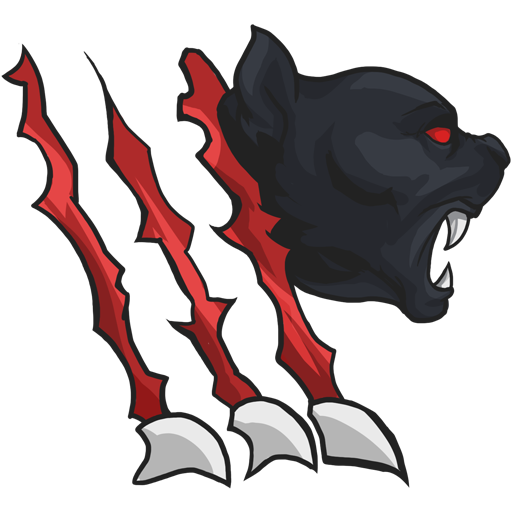
Defeat 40 players using Japanese Light Tanks
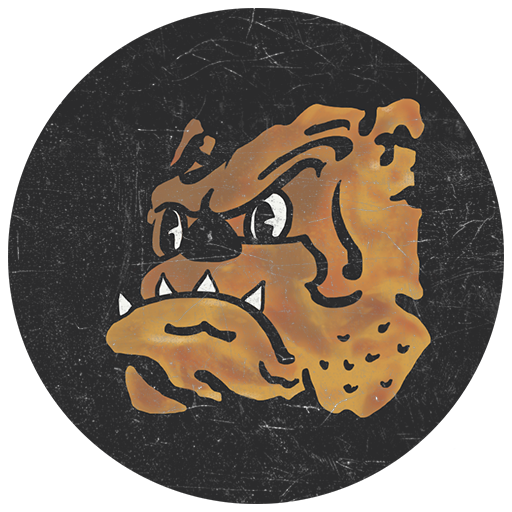
Defeat 50 players using Italian Aircraft
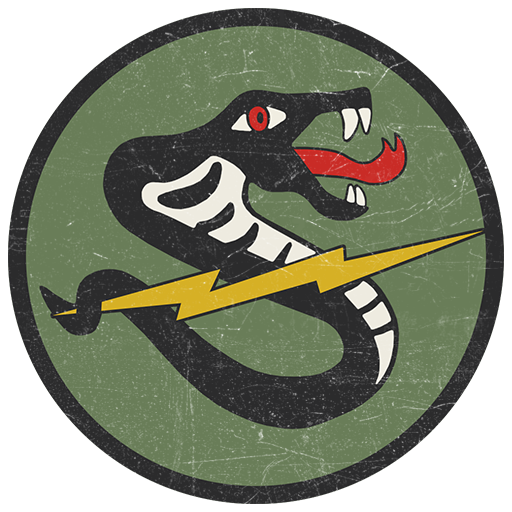
Defeat 20 Ground or Water targets while flying Israeli Helicopters

Play 20 battles while using French Aircraft with a minimum of 60% Battle Activity
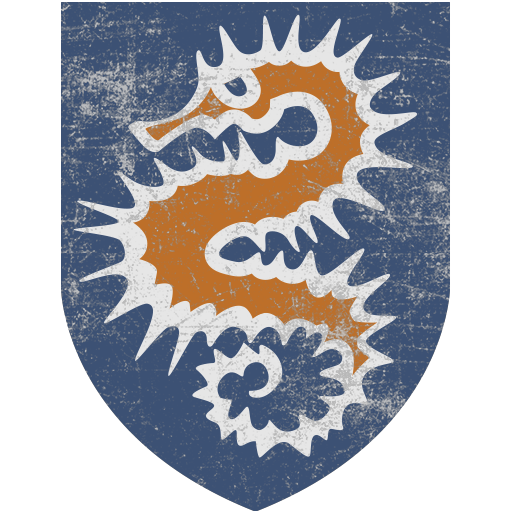
Earn 15000 score using British Ground Vehicles
The emblem of the 3rd Reconnaissance Unit, JGSDF. The unit was created in 1951, and was restructured and rebased numerous times throughout its history. The core duty of the unit through the majority of its service was to support the wider 3rd Division by collecting and relaying intelligence. It operated until 2023, when it was disbanded along with the 3rd Tank Battalion, merging together into the new 3rd Reconnaissance Combat Battalion. In the early 2000s until disbandment, this emblem was used on some of the unit's vehicles. The black panther was chosen for its ability to move swiftly and stealthily through tough terrain, with the three claw marks representing the 3rd unit. It was placed on the turret sides of the unit’s Type 87 RCVs.
The emblem of 102ª Squadriglia, X Gruppo Autonomo Caccia “Baleari” (102nd Squadron, 10th Autonomous Fighter Group “Balearic”) Regia Aeronautica. The group operated under the 10th “Balearic” Fighter Group during the Spanish Civil War. It was based at Palma de Mallorca with its primary duty being the defense of the Balearic Islands. The emblem of the squadron was a cartoon-style bulldog, and despite being reminiscent of bulldog characters from actual cartoons, the emblem predates any of these examples, meaning it was likely a fully original emblem. It was painted on both sides of the CR.32 biplanes of the squadron, towards the end of the fuselage, with the bulldog facing forward on the left side and backward on the right side.
The emblem of 161 “Southern Cobra” Squadron, IAF. In 1975, Israel were given a batch of AH-1G helicopters for testing, but as they lacked advanced armament they were sent back to the USA to be upgraded to the AH-1S standard for greater anti-armor ability. The squadron was formed in 1980 along with 160 Squadron, both equipped with 15 MD 500 and 3 upgraded AH-1S helicopters that were sent back from the USA. They would later receive the AH-1F, which was credited with destroying several tanks in the Lebanon War, and finally the AH-1E in 1987. The last cobras in operation with Israel were retired in 2013, primarily due to budget restraints and the prominence of the more powerful AH-64. Their cobra marking was not universally applied, but appeared most regularly on their later AH-1E helicopters, positioned on the middle of the tail.
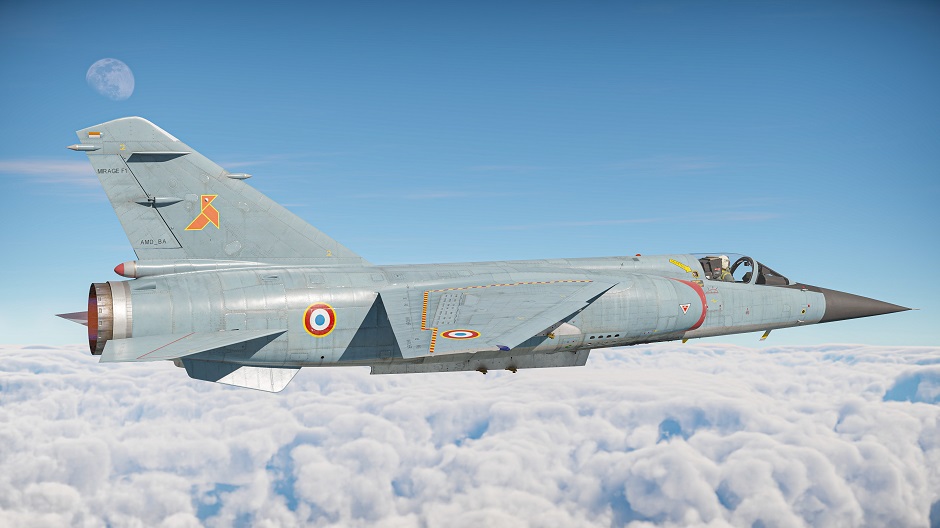
The emblem of Escadron de Reconnaissance 2/33 Savoie (2nd Reconnaissance Squadron of the 33rd Wing 'Savoy'), French Air Force. The squadron was formed over 100 years ago in 1913, and would be renamed and restructured numerous times, but its emblem would remain relatively unchanged throughout the century. It depicts a “Cocotte”, which in this context refers to an origami chicken. Initially the design had a beak painted, and the eye would change between facing forward and facing backward across different iterations, as if keeping a look out for danger. This more modern version could be found on the Mirage III and Mirage F1 jets of the squadron, positioned in the middle of the tail. Though some alternate placements also exist, occasionally being painted in front of the air intakes on the Mirage III for special liveries, and in front of the cockpit on the squadron’s RF-84F Thunderflash aircraft in the 1960s.
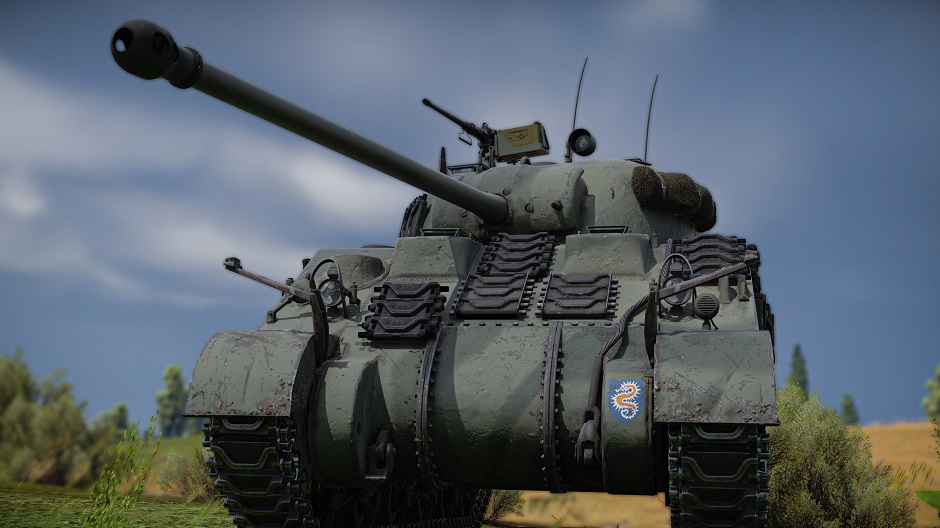
The emblem of the 27th Armoured Brigade, British Army. The brigade was formed on November 26th 1940, and became a key part of the Normandy Landings. Shermans of the Staffordshire Yeomanry and the 13th/18th Hussars under the brigade landed on the beaches, and would take part in the Battle for Caen and Operation Goodwood. The brigade was disbanded shortly after this operation, and its regiments were transferred to other formations within the army. The brigade's emblem is a seahorse on a shield, which initially may seem an unusual choice. It served as a link to the cavalry units that many of its members originated from, and as the tanks arrived from the water, the motif of a seahorse was practically a perfect fit. The emblem was often placed on the sides of the lower glacis plate and the edge of the rear plate, though there was some variation between vehicles and vehicle types.
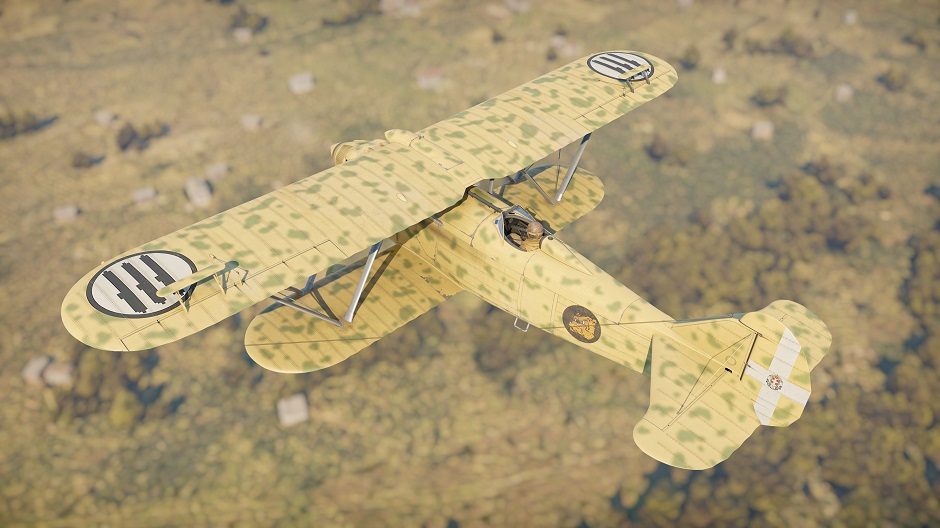
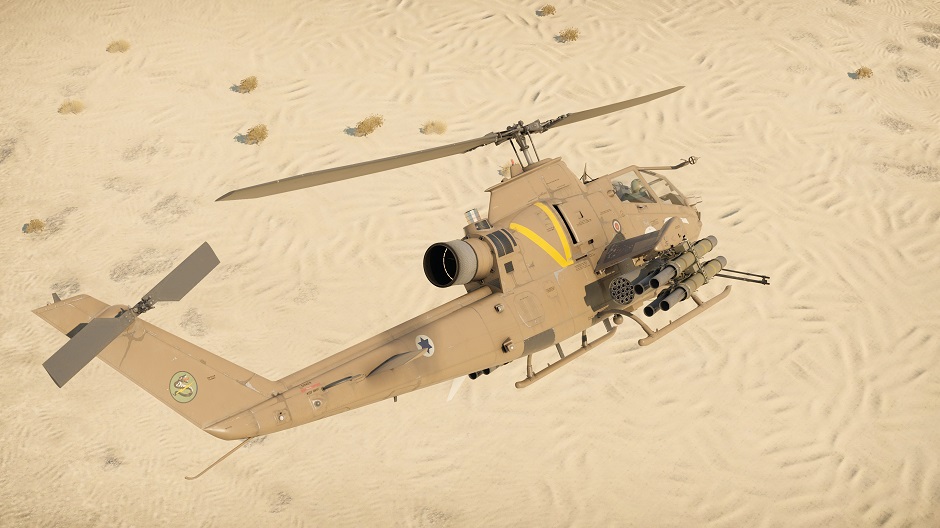
Monthly markings can be found in a special tab at the bottom of the customization menu, (Monthly Decals) after a month, they’ll be moved to their corresponding category.
You can check the exact terms and track the progress of completing tasks for these decals by going to your Player Profile > Decals > Monthly Decals. From here, click the “Track progress” button on each decal to track from the hangar.
All of the emblems will come with a detailed description. This will generally consist of the history of the marking, its design, which vehicles used it, and where it was often placed on vehicles historically if applicable (some emblems are taken from badges, which weren’t always applied). This way you can more easily recreate the original positioning if you’d like.
Well, that’s the last set of decals for 2025! It’s really flown by hasn’t it? We hope you’ve enjoyed collecting these this past year, we’ll be back in January for more. If we don’t see you beforehand, enjoy the holidays in whichever way you like to celebrate, collect some interesting decals and we’ll see you soon!
Comments (15)
Comments will be premoderated(Tauch-)PzAbt. C Emblem - should fits perfectly for Panzer of the Lake :)
I have already VETERAN 9 decal We NEED something special for VETERAN 10 years every day login
i love the story of the "FOR SALE"
Mmm, Monkey
Love me some monthly decals.
These are awesome. Definitely going to get me the "monke" decal
OHHhhhhh Sweet there's some pretty nice ones for this month and might need to play some Naval to get that "For Sale' one" 😻 and Happy Holidays to everyone 🧑🎄🎅🤶👼🎄🎁❄️
Japanese the BEST)))
About done yourself again on these monthly decals loving it thanks for making this possible really look forward to getting these and banging them out
I forgot that makes two decal emblems for the Germans on the water tanks. Operation Sea Lion
Love the monthly decals, some of my favorite parts of the game. Hope to see in the future the US Strategic Air Command Shield (SAC) for US Air Force.
Submit a complaint