
- For PC
- For MAC
- For Linux
- OS: Windows 10 (64 bit)
- Processor: Dual-Core 2.2 GHz
- Memory: 4GB
- Video Card: DirectX 11 level video card: AMD Radeon 77XX / NVIDIA GeForce GTX 660. The minimum supported resolution for the game is 720p.
- Network: Broadband Internet connection
- Hard Drive: 23.1 GB (Minimal client)
- OS: Windows 10/11 (64 bit)
- Processor: Intel Core i5 or Ryzen 5 3600 and better
- Memory: 16 GB and more
- Video Card: DirectX 11 level video card or higher and drivers: Nvidia GeForce 1060 and higher, Radeon RX 570 and higher
- Network: Broadband Internet connection
- Hard Drive: 75.9 GB (Full client)
- OS: Mac OS Big Sur 11.0 or newer
- Processor: Core i5, minimum 2.2GHz (Intel Xeon is not supported)
- Memory: 6 GB
- Video Card: Intel Iris Pro 5200 (Mac), or analog from AMD/Nvidia for Mac. Minimum supported resolution for the game is 720p with Metal support.
- Network: Broadband Internet connection
- Hard Drive: 22.1 GB (Minimal client)
- OS: Mac OS Big Sur 11.0 or newer
- Processor: Core i7 (Intel Xeon is not supported)
- Memory: 8 GB
- Video Card: Radeon Vega II or higher with Metal support.
- Network: Broadband Internet connection
- Hard Drive: 62.2 GB (Full client)
- OS: Most modern 64bit Linux distributions
- Processor: Dual-Core 2.4 GHz
- Memory: 4 GB
- Video Card: NVIDIA 660 with latest proprietary drivers (not older than 6 months) / similar AMD with latest proprietary drivers (not older than 6 months; the minimum supported resolution for the game is 720p) with Vulkan support.
- Network: Broadband Internet connection
- Hard Drive: 22.1 GB (Minimal client)
- OS: Ubuntu 20.04 64bit
- Processor: Intel Core i7
- Memory: 16 GB
- Video Card: NVIDIA 1060 with latest proprietary drivers (not older than 6 months) / similar AMD (Radeon RX 570) with latest proprietary drivers (not older than 6 months) with Vulkan support.
- Network: Broadband Internet connection
- Hard Drive: 62.2 GB (Full client)
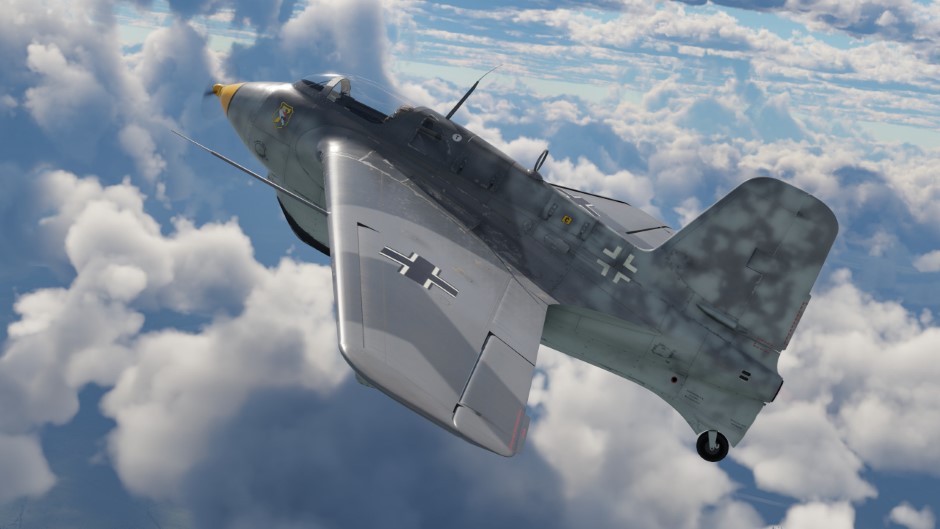
Hello decal enjoyers! We’re happy to be back with some historical markings for you to unlock, five new and five from previous events. Quite a few inscriptions this time around, the previous monthly events had fewer of these so we’ve added some more for a bit of variety. We hope you give each nation a try and add the decals you like to your collection!
The following decals will be available.
All tasks can be completed using vehicles that are rank III or higher.
New decals
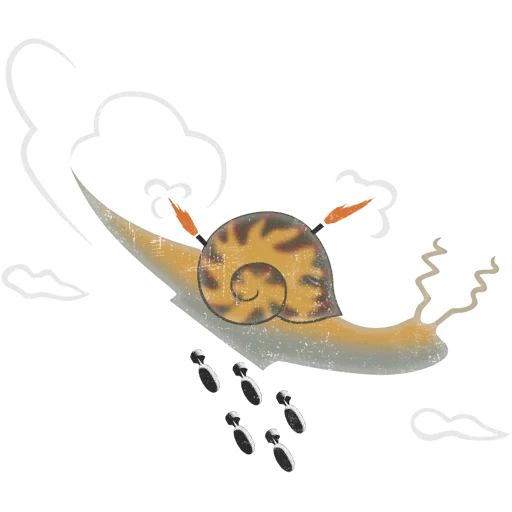
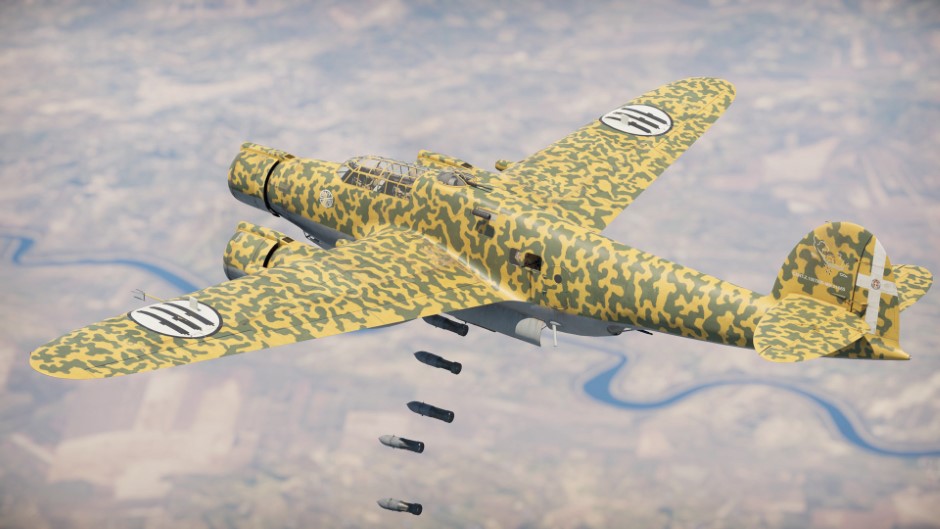
Defeat 20 players using bombs while using Italian Aircraft

Score 20000 points of Damage while using USSR Vessels
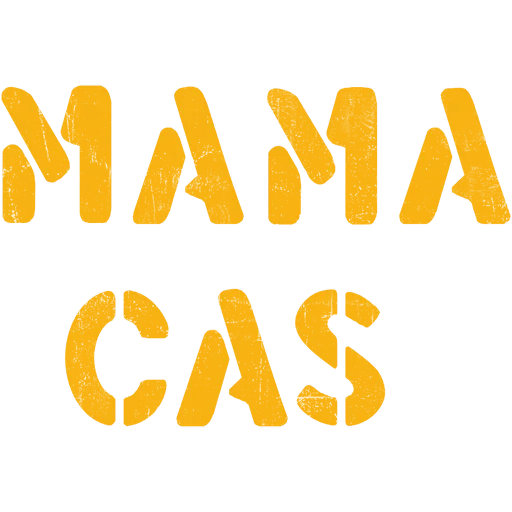
Finish in position 1-3 three times while using American aircraft

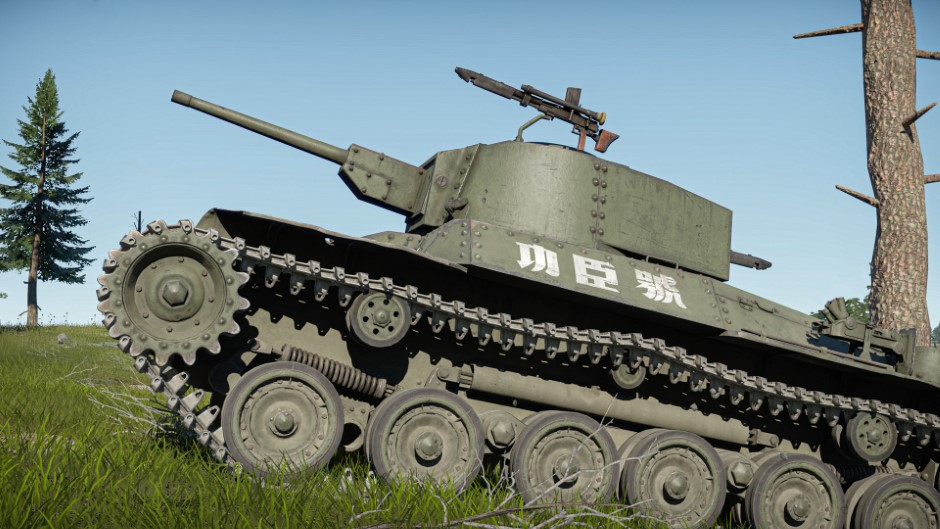
Defeat 60 Players using Chinese Ground Vehicles

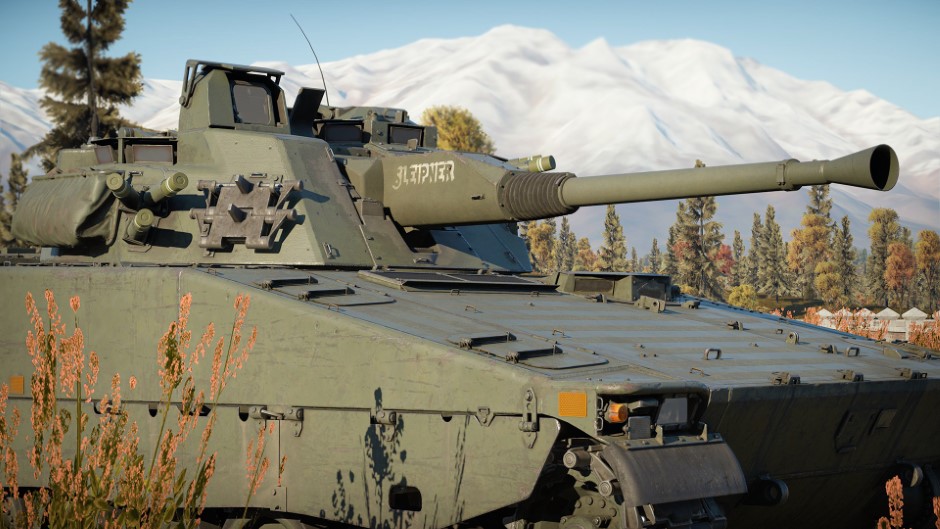
Defeat 40 players using Swedish Light Tanks
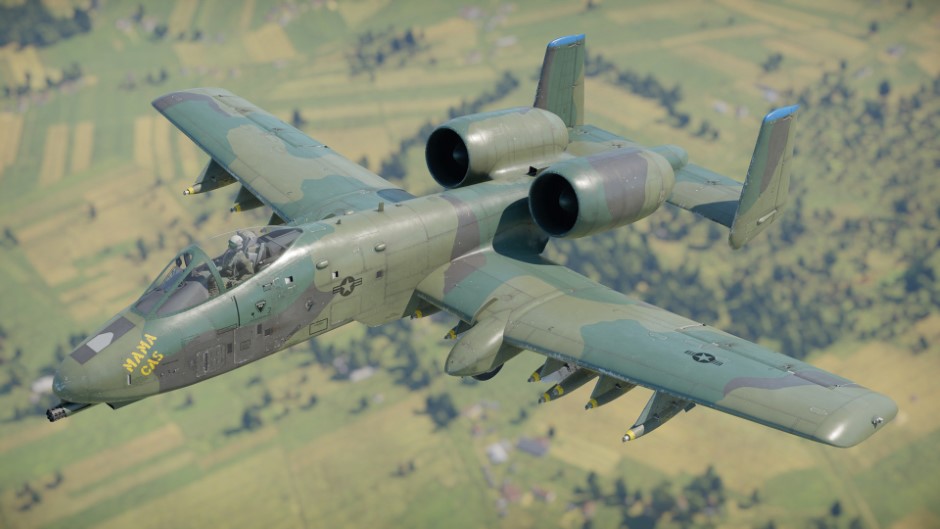
The personal inscription of Thomas Harritt, 175th Wing, USAF. During the late 1980s, regulations regarding nose art began to ease in the US Air Force, giving pilots more freedom to create personal designs for their aircraft. The drive generally aimed to preserve the heritage of the Second World War, and instill a sense of inherited duty into new pilots by allowing them to emulate previous practices. The 175th Wing were the trendsetters with this revival, with Thomas and fellow pilot Jim Czachorowski responsible for most of the nose art, initially using tempera paint for the first designs as it was easier to remove in case of complaints. The pinups and markings they created drastically increased the spirits and pride of the pilots, helping to revitalize the practice into the 1990s. This stencil applied by Thomas was positioned on the nose of his A-10 Warthog at a slight angle, just in front of the cockpit.
“Sleipnir” inscription, Jämtlands Fältjägarregemente I5 (Jämtland Field Fighter Regiment), Swedish Army. While written accounts of Sleipnir begin around the 13th century, the figure likely originated hundreds of years earlier in the Viking Age. In Norse mythology Sleipnir is the eight-legged horse of Odin, fastest and most powerful of all the horses — and something of a psychopomp figure, guiding souls through different realms. The regiment is known for their mythology-inspired inscriptions, often referencing gods and legends. Interestingly this marking was painted in negative space, a typography style rarely used in this medium, which, ironically, makes it stand out more. It was placed on the left side of the gun housing on one of the regiment’s CV9040A vehicles.
The marking of 106 Gruppo BT (106th Land-Based Bomber Group), Regia Aeronautica. A relatively obscure marking, it can be placed in southern Italy in 1940 on at least one aircraft. It depicts a snail dropping bombs from the clouds, complete with gunners inside the shell. Interestingly, the marking of the 107th Group is very similar — using a tortoise instead of a snail with the same general design. While the history of the marking is scarce, it may derive from both creatures being slow but well defended, making them fitting designs for bomber squadrons. Many Italian bombers of the era also utilized “tortoise shell” camouflage for their aircraft, which occurs naturally on both animals as well. The marking was positioned on the tail of a Z.1007, above the serial number, with the head of the snail pointing toward the rear of the plane.
“Meritorious Warrior” (功臣號) inscription, PLA. In 1945 PLA forces captured a pair of Type 97 Chi-Ha Kai tanks, naming them 101 and 102. During repairs, tank 101 was sabotaged, and only tank 102 was made operational and evacuated. 102 would become the first ever tank of the PLA, and while details of its combat history are somewhat nebulous, it was regarded as a very effective asset for the army. By 1948 the army had acquired several additional tanks, but 102 remained the favorite, and received the affectionate nickname “Old Man Tank” (老头坦克) within the ranks. During one of its final battles where the tank played a vital role, this nickname was inverted into the current inscription, “Meritorious Warrior”, or more contextually, “Heroic Tank”. This inscription was placed on the hull sides of the tank after the fighting, and could be seen in various parades and press photos.
Boatswain specialist patch, Soviet Navy. During the mid-1950s, several patches were created for specialist roles within the naval forces. These ranged from very specific duties, such as electrical specialists for torpedo maintenance, to more general roles such as this one. Functionally, boatswain specialists were primarily responsible for seakeeping, ensuring the vessel was effectively maintained and safe to operate at sea. While still a very general design, this duty is reflected in the emblem, with the chain around the anchor imbuing a sense of security. The rims of the patches were upgraded to gold if the wearer had remained in service beyond their term, but by default were red and black. These emblems were generally limited to shoulder patches and navy ephemera and were gradually phased out during the 1980s.
Returning decals

Destroy 30 ground or water targets while using French Aircraft
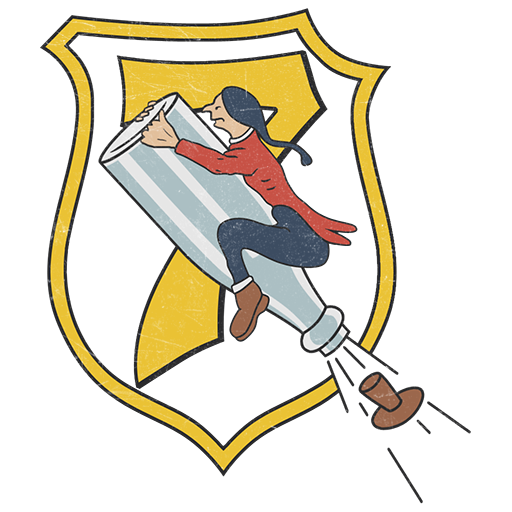
Defeat 50 Players using German Fighters

Play 20 battles while using Israeli Ground Vehicles with a minimum of 60% Battle Activity

Destroy 20 Aircraft using Japanese Ground Vehicles

Earn 15000 score using British Ground Vehicles
The emblem of 4ème Groupe de Bombardement d'Assaut II/51 (4th Squadron of the 2nd Group of the 51st Attack-Bomber Wing), French Air Force. The majority of emblems used by French squadrons during the Second World War were inherited from markings created in the 1910s, 1920s and 1930s. The winged tortoise emblem appears in several of these with slight variations. It can be seen in the badges of SAL 203, 39ème RAO, and BR.55, just to name a few. GBA II/51 was formed on December 15th, 1939, and operated for only several months until April 15th, 1940, when the group was disbanded. The squadron primarily flew Bréguet 693 attack aircraft, where the winged tortoise could occasionally be seen on the vertical stabilizer, with the tortoise facing toward the front of the plane. Its placement on aircraft was relatively rare however, and was much more commonly seen as a badge.
An emblem of 7th Group, Jagdgeschwader (Fighter Wing) 400, Luftwaffe. The emblem depicts Baron Munchausen riding a bottle rocket — the fictional character was known for telling outlandish and contrived stories which often placed him in fantastical situations, making him a fitting motif for a squadron equipped with rocket aircraft. The marking itself remains a bit of a mystery however, Komet emblems were rarely photographed, and no available wartime photos appear to exist of this emblem. It was first seen in 1965 when Britain donated a Komet they had captured back to Germany, to be displayed in the Deutsches Museum in München. When the aircraft was refurbished and repainted, this emblem was chosen to represent 7th group. It is more likely that the replication was indeed made from original sources rather than invented, though this is difficult to confirm. Like all Komet emblems it was positioned in front of the cockpit, just before the nose cone.
“ABIR” (KNIGHT) emblem, IDF. Personal markings on Israeli tanks are comparatively rare, with many examples required to be subtle or removed entirely before combat unless they were official company markings. This marking reads "knight" in Hebrew. Most inscriptions generally used similar power words in the same blocky style, such as “strike”, “sword”, “lightning” and so on. Above the text is the recognizable cannon of the early Merkava models. The marking was placed on the rear crew access door of a Merkava Mk.2 sometime during the 1980s.
The emblem of the 3rd Anti-Aircraft Company, 7th Anti-Aircraft Regiment, 7th Armored Division, JGSDF. While the division was formed in late 1955 as the 7th Mixed Division, the 7th Anti-Aircraft Regiment was formed later on March 25th, 1981. The 3rd company is based at the Higashi Chitose Garrison in Hokkaido, and is equipped with eight Type 87 SPAA vehicles and several Type 73 APCs. The scorpion was chosen as the emblem of the company due to its stealthy and lethal nature, waiting in concealment on the ground, ready to strike an unsuspecting target with a single accurate strike. An additional parallel is the visual similarity between the raised stinger of a scorpion and the curved tracking radar of the Type 87 when extended. The marking was positioned on both sides of the turret, on the extended lower blocks just in front of the smoke grenade array.
The emblem of the 9th Armoured Division, British Army. While the marking is best known for representing the 9th Armoured Division, it originates from a British polo team from the 1930s, the “Giant Pandas”, where the marking was displayed prominently on the team’s shirts. Several members of the team later went on to lead the 1st Motor Machine Gun Brigade after the outbreak of the Second World War, where they chose the emblem of their polo team for the insignia of the brigade. The 9th Armoured Division was created on December 1st, 1940. Its appointed commander, Montagu Brocas Burrows, had previously commanded the 1st MMG and adopted the emblem for the new division. The 9th Armoured disbanded on July 31st, 1944, never seeing active service as a complete division — which incidentally created an interesting link with the marking, as the panda is a docile bear. The emblem could be found on most tanks of the core division, placed in the corner of the lower front and rear plates.
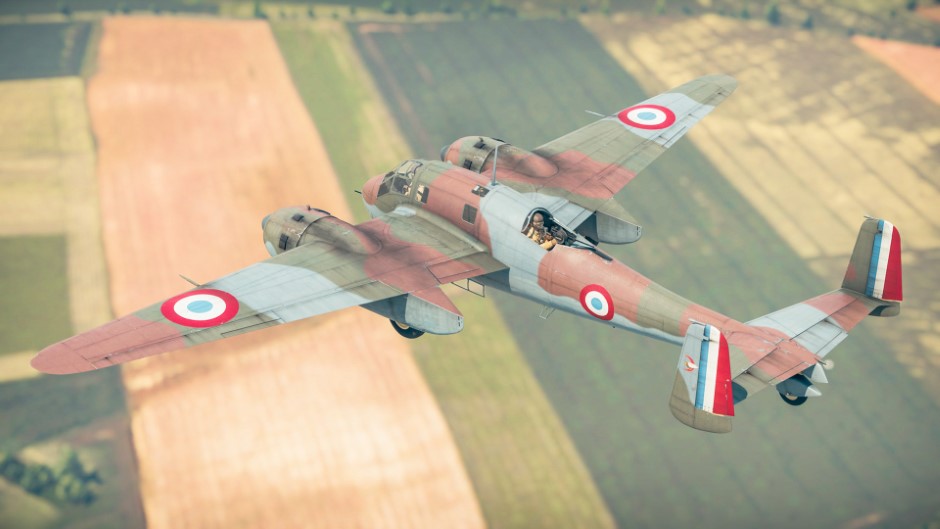
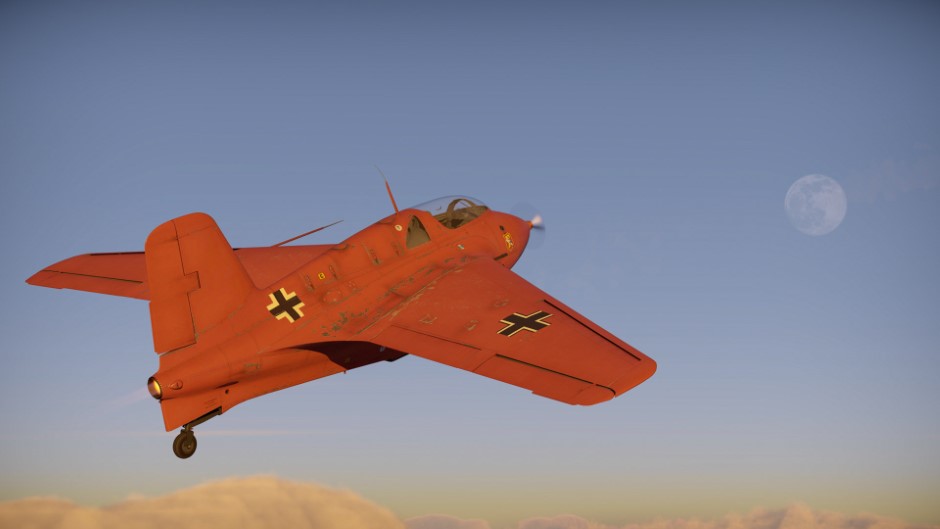
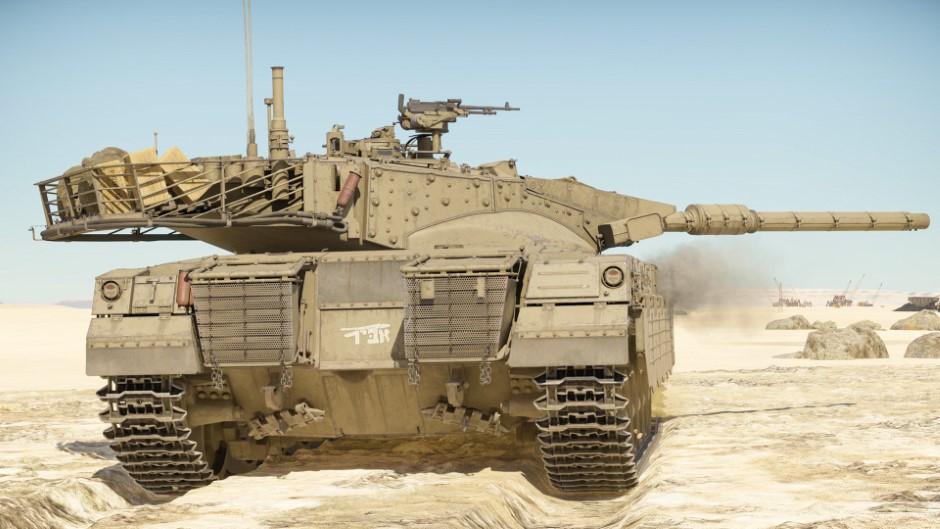
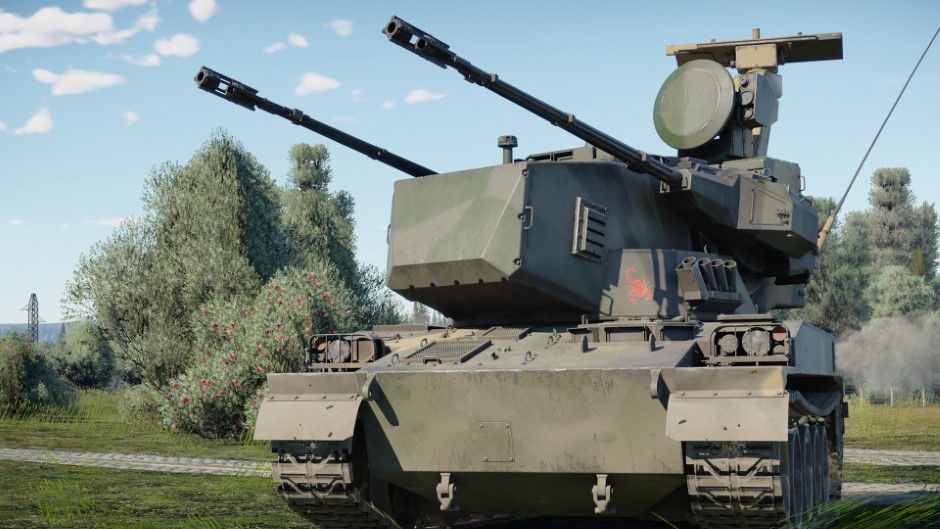
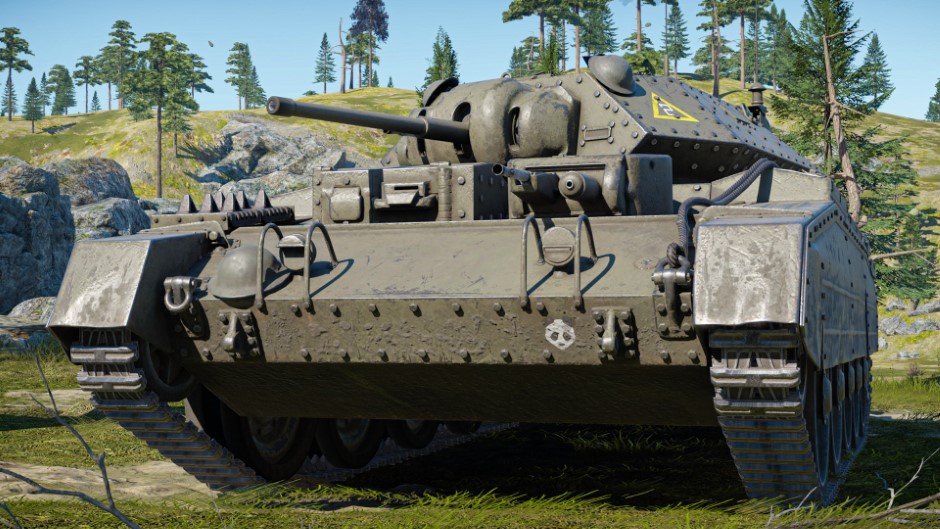
Monthly markings can be found in a special tab at the bottom of the customization menu, (Monthly Decals) after a month, they’ll be moved to their corresponding category.
You can check the exact terms and track the progress of completing tasks for these decals by going to your Player Profile > Decals > Monthly Decals. From here, click the “Track progress” button on each decal to track from the hangar.
All of the emblems will come with a detailed description. This will generally consist of the history of the marking, its design, which vehicles used it, and where it was often placed on vehicles historically if applicable (some emblems are taken from badges, which weren’t always applied). This way you can more easily recreate the original positioning if you’d like.
We hope you like the selection August has to offer! Enjoy adding them to your collection, and we’ll see you in September!

Comments (21)
Comments will be premoderatedGreat that you've separated new and old decals. Huge thanks for this. And thanks to the people doing this work.
It is a nice change. Enjoy!
My favourite part of the month, besides payday from work. Thanks Gaijin, never quit monthly decals again!
awesome. :D Glad to also see the flying tortoise return! ^^
One of my favs, personally - It's my spirit animal 🥹
THE SNAIL
it took me a second to be able to see the Sleipner text for the Swedish decal. I thought it was some ancient insciption in white text lmao
My Chinese friend tells me that the "Meritorious Warrior I" inscription symbols translate to Kung Pao Chicken..?
I think he is making fun out of you.
that symbol translates to and mean Hero number. Your friend is messing with you
Love the history sections! These are new, yes? Kinda like when Tim's Variety goes down rabbit holes talking about plane history. But this time it's Gaijin talking about decals!
Can we please get more Israeli ground decals please?
I swear the 9th Armoured Division Emblem was already in game.
If you will check the article, you will noticed, that 5 decals are new, 5 are returning ones :)
Stona_WT, Wow old decals, wow.
Am I the only one to not have track button?
The following decals will be available from August 8th (11:00 GMT) until September 8th (09:00 GMT). - you need to wait, it's not live yet.
Submit a complaint