
- For PC
- For MAC
- For Linux
- OS: Windows 10 (64 bit)
- Processor: Dual-Core 2.2 GHz
- Memory: 4GB
- Video Card: DirectX 11 level video card: AMD Radeon 77XX / NVIDIA GeForce GTX 660. The minimum supported resolution for the game is 720p.
- Network: Broadband Internet connection
- Hard Drive: 23.1 GB (Minimal client)
- OS: Windows 10/11 (64 bit)
- Processor: Intel Core i5 or Ryzen 5 3600 and better
- Memory: 16 GB and more
- Video Card: DirectX 11 level video card or higher and drivers: Nvidia GeForce 1060 and higher, Radeon RX 570 and higher
- Network: Broadband Internet connection
- Hard Drive: 75.9 GB (Full client)
- OS: Mac OS Big Sur 11.0 or newer
- Processor: Core i5, minimum 2.2GHz (Intel Xeon is not supported)
- Memory: 6 GB
- Video Card: Intel Iris Pro 5200 (Mac), or analog from AMD/Nvidia for Mac. Minimum supported resolution for the game is 720p with Metal support.
- Network: Broadband Internet connection
- Hard Drive: 22.1 GB (Minimal client)
- OS: Mac OS Big Sur 11.0 or newer
- Processor: Core i7 (Intel Xeon is not supported)
- Memory: 8 GB
- Video Card: Radeon Vega II or higher with Metal support.
- Network: Broadband Internet connection
- Hard Drive: 62.2 GB (Full client)
- OS: Most modern 64bit Linux distributions
- Processor: Dual-Core 2.4 GHz
- Memory: 4 GB
- Video Card: NVIDIA 660 with latest proprietary drivers (not older than 6 months) / similar AMD with latest proprietary drivers (not older than 6 months; the minimum supported resolution for the game is 720p) with Vulkan support.
- Network: Broadband Internet connection
- Hard Drive: 22.1 GB (Minimal client)
- OS: Ubuntu 20.04 64bit
- Processor: Intel Core i7
- Memory: 16 GB
- Video Card: NVIDIA 1060 with latest proprietary drivers (not older than 6 months) / similar AMD (Radeon RX 570) with latest proprietary drivers (not older than 6 months) with Vulkan support.
- Network: Broadband Internet connection
- Hard Drive: 62.2 GB (Full client)
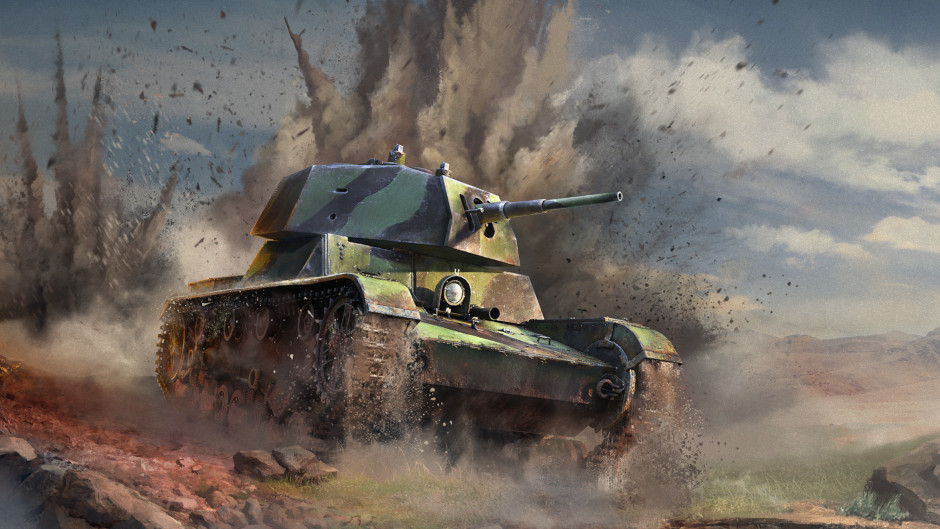
In Pages of History this month, you will find yourself at the center of events that took place in various theaters of war. From Papua New Guinea and North Africa to Changsha and Stalingrad: participate in battles while using vehicles linked to these historic events and get some prizes!
, you will be able to participate in 8 tasks consecutively. Completing each task will grant you a trophy with a reward, completing all of the tasks will earn you a unique profile icon!
Vasily Badanov became an officer during the First World War and subsequently continued his career in the ranks of the Red Army. His finest hour arrived in December 1942, when he commanded the 24th Tank Corps, which played a pivotal role in thwarting Operation Winter Storm (Wintergewitter). In just five days, Badanov’s corps covered 240 kilometers and on December 24th destroyed the Tatsinskaya airfield, a facility controlled by the Luftwaffe that was being used to supply the Wehrmacht’s 6th Army, then encircled near Stalingrad. Although the corps suffered heavy losses while breaking out of the enemy encirclement, it successfully accomplished its mission and contributed to the overall success of Operation Little Saturn. Badanov became the first recipient of the Order of Suvorov, 2nd Class.
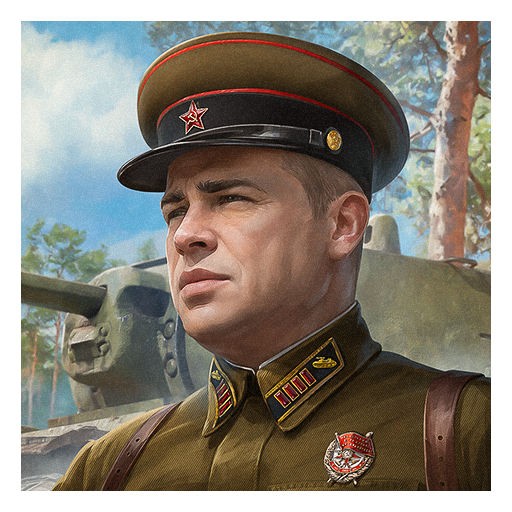
You can purchase this player icon for Golden Eagles without completing tasks. To find it, go to your Nickname → Achievements → Pages of History.
Trophy reward for each task
Completing each individual task will give you a trophy with one of the following rewards:
- 20-50% RP booster for 3-10 battles
- 20-50% SL booster for 3-10 battles
- 3-5 universal backups
- Premium account for 1 day
- A random ground vehicle camouflage (out of those that can currently be unlocked or purchased with Golden Eagles)
Other terms
- Tasks are available from 11:00 GMT until 11:30 GMT on the final day of each task.
- Tasks can be completed in random battles except for “Assault” mode.
You can read a detailed description of which task is for which day and your overall progress by going to your Nickname → Achievements → Pages of History.
Calendar
Bernhardt Line
On December 1st 1943, the battle for the Bernhardt Line (a salient in front of the Gustav Line) began. It took the Allies a month and a half to overcome this defensive line. Fighting on their side were U.S. troops under the command of General Clark, as well as forces from the British Commonwealth and Free France.
Battle of Sio
From early December 1943 to early March 1944, fighting took place near the town of Sio, on the northern coast of Papua New Guinea. Japanese forces had seized the area in 1942 and defended it fiercely; they were opposed by American, Australian, and Papuan forces, who ultimately emerged victorious while sustaining relatively light casualties.
Operation Compass
On December 9th 1940, the Allies launched an offensive in the North African theater of operations. The Italian forces were understrength, poorly equipped, and disorganized; consequently, a bold assault by a smaller Allied force proved highly effective, leading to mass surrenders and a retreat of Italian units all the way from Matruh in Egypt to Benghazi in Libya.
Operation Winter Storm
In November 1942, the Wehrmacht’s Sixth Army found itself encircled near Stalingrad, and on December 12th, Operation Winter Storm (Wintergewitter) was launched to rescue General Paulus’s forces. Army Group Don, under the command of Erich von Manstein, nearly succeeded in breaking through to Stalingrad from the south; however, the Sixth Army was unable to launch a breakout attempt from within the encirclement due to a lack of fuel, and a successful offensive by Soviet forces ultimately thwarted the Wehrmacht’s operation.
Ardennes Offensive
On December 16th 1944, Germany launched a surprise attack on Allied positions in the Ardennes. This marked the beginning of a large-scale offensive operation intended to defeat the Allied forces on the Western Front and compel them to sign a separate peace, thereby freeing up troops to defend the eastern borders. The battle lasted for a month and a half, and both sides suffered heavy casualties. Germany failed to achieve its objectives.
Kursk-Oboyan Operation
In the winter of 1941–1942, the Red Army attempted to launch a counteroffensive. Part of this effort was an operation aimed at recapturing the cities of Kursk and Oboyan from the enemy. The Wehrmacht strengthened its defenses, and the Soviet advance proved minimal at the cost of heavy losses.
Battle of Changsha
On December 24th 1941, the third battle for the Chinese city of Changsha began. The Japanese encountered fierce resistance while attempting to storm the city, and Chinese reinforcements launched counterattacks on their flanks, severing Japanese supply lines. As they retreated from the encirclement, the Japanese forces suffered heavy casualties. This marked Japan’s first major defeat following the attack on Pearl Harbor.
Battle of the Barents Sea
On December 31st 1941, Kriegsmarine forces, including the heavy cruisers Admiral Hipper and Lützow, caught up with a British Arctic convoy in the Barents Sea and forced an engagement. The lighter British vessels managed to fend off the raiders, inflicting damage and compelling them to retreat, while sustaining only minor losses. Following this defeat, Hitler even considered completely disbanding Germany’s surface fleet; however, Admiral Karl Dönitz managed to persuade him otherwise.

Comments (0)
Comments will be premoderatedSubmit a complaint