
- For PC
- For MAC
- For Linux
- OS: Windows 10 (64 bit)
- Processor: Dual-Core 2.2 GHz
- Memory: 4GB
- Video Card: DirectX 11 level video card: AMD Radeon 77XX / NVIDIA GeForce GTX 660. The minimum supported resolution for the game is 720p.
- Network: Broadband Internet connection
- Hard Drive: 23.1 GB (Minimal client)
- OS: Windows 10/11 (64 bit)
- Processor: Intel Core i5 or Ryzen 5 3600 and better
- Memory: 16 GB and more
- Video Card: DirectX 11 level video card or higher and drivers: Nvidia GeForce 1060 and higher, Radeon RX 570 and higher
- Network: Broadband Internet connection
- Hard Drive: 75.9 GB (Full client)
- OS: Mac OS Big Sur 11.0 or newer
- Processor: Core i5, minimum 2.2GHz (Intel Xeon is not supported)
- Memory: 6 GB
- Video Card: Intel Iris Pro 5200 (Mac), or analog from AMD/Nvidia for Mac. Minimum supported resolution for the game is 720p with Metal support.
- Network: Broadband Internet connection
- Hard Drive: 22.1 GB (Minimal client)
- OS: Mac OS Big Sur 11.0 or newer
- Processor: Core i7 (Intel Xeon is not supported)
- Memory: 8 GB
- Video Card: Radeon Vega II or higher with Metal support.
- Network: Broadband Internet connection
- Hard Drive: 62.2 GB (Full client)
- OS: Most modern 64bit Linux distributions
- Processor: Dual-Core 2.4 GHz
- Memory: 4 GB
- Video Card: NVIDIA 660 with latest proprietary drivers (not older than 6 months) / similar AMD with latest proprietary drivers (not older than 6 months; the minimum supported resolution for the game is 720p) with Vulkan support.
- Network: Broadband Internet connection
- Hard Drive: 22.1 GB (Minimal client)
- OS: Ubuntu 20.04 64bit
- Processor: Intel Core i7
- Memory: 16 GB
- Video Card: NVIDIA 1060 with latest proprietary drivers (not older than 6 months) / similar AMD (Radeon RX 570) with latest proprietary drivers (not older than 6 months) with Vulkan support.
- Network: Broadband Internet connection
- Hard Drive: 62.2 GB (Full client)
Hello everyone! How are you? Fine thank you. We’re glad to be back with another round of collectible decals for you! We’re happy to include this rare big cat for Japan, and one of the Bagram birds for the USSR, recreated excellently by Fenris.
We’d like to give a big thanks to all of you who completed the survey last month as well, we’ve collated all of your answers and suggestions and we’ll work them into our future plans where we can. Feel free to keep your suggestions coming on the forum though, we’ll always check in on those!
The following decals are available .
All tasks can be completed using vehicles that are rank III or higher.

Defeat 40 players using Japanese Light Tanks
Finish in position 1-3 three times using Soviet Aircraft

Earn 15000 score while using British Ground Vehicles

Defeat 50 players using Finnish or Swedish Aircraft

Finish in position 1-5 five times using Chinese Ground Vehicles
Fuji Training Brigade, 4th Company Emblem "Kabuki Kūgā"
The emblem of the 4th Company of the Fuji Training Brigade, JGSDF. The Infantry Training Regiment itself was formed on January 25th 1968, but the 4th Company was formed sometime later. After the disbandment of the brigade’s Armored Transport Unit, the personnel and vehicles were transferred to the newly formed 4th and 5th Companies on March 26th 1988. The 4th Company specifically was equipped with the Type 96 Wheeled APC, affectionately nicknamed “Cougar", which was the inspiration behind the emblem. The big cat features red Kabuki-style patterning on its face, forming the number four to link it to the company. The marking overall is quite rare and was positioned on the rear sides of the hull of the company’s vehicles, with the cougar's head facing towards the front.
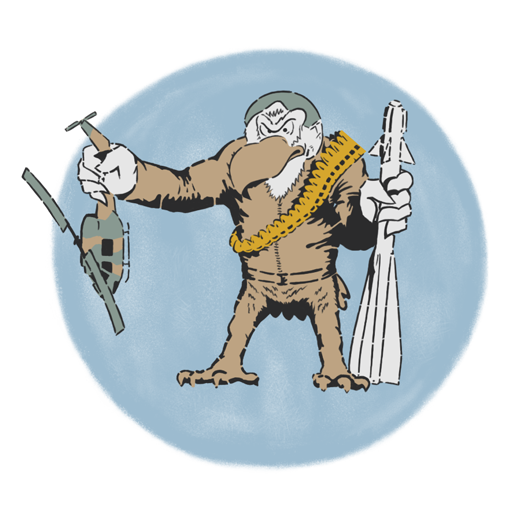
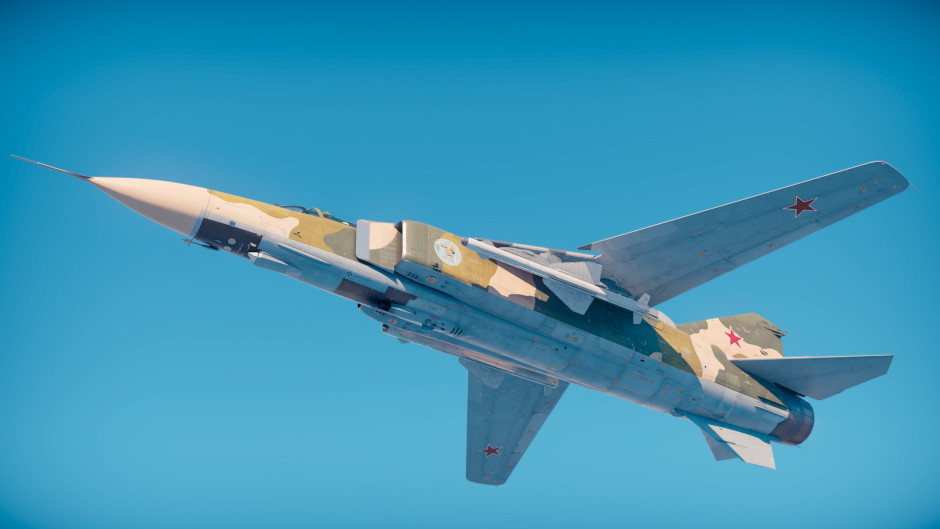
Personal Marking of Vladimir Astakhov, 120th IAP
The Personal Marking of Major Vladimir Astakhov, 120th Guards Fighter Aviation Regiment, Soviet Air Force. On September 26th 1988, Astakhov and his wingman Gavrilov scrambled to intercept Iranian air targets. Working only with radar, the two each fired an R-24R radar-guided missile at a pair of Iranian helicopters at a range of around 7 km, downing them both. In commemoration of the victory, Captain V.P. Maksimenko designed a marking for Astakhov, taking inspiration from Western aircraft nose art he’d previously studied. The bird itself was inspired by a taxidermied vulture that was gifted to the regiment by a neighboring helicopter unit, which made its way into several designs. Interestingly, the bird is depicted holding an R-60 rather than an R-24R missile, though this is likely just the result of an R-60 being more readily available for use as a reference. It was painted on the port side of Major Astakhov’s MiG-23MLD, number 58.
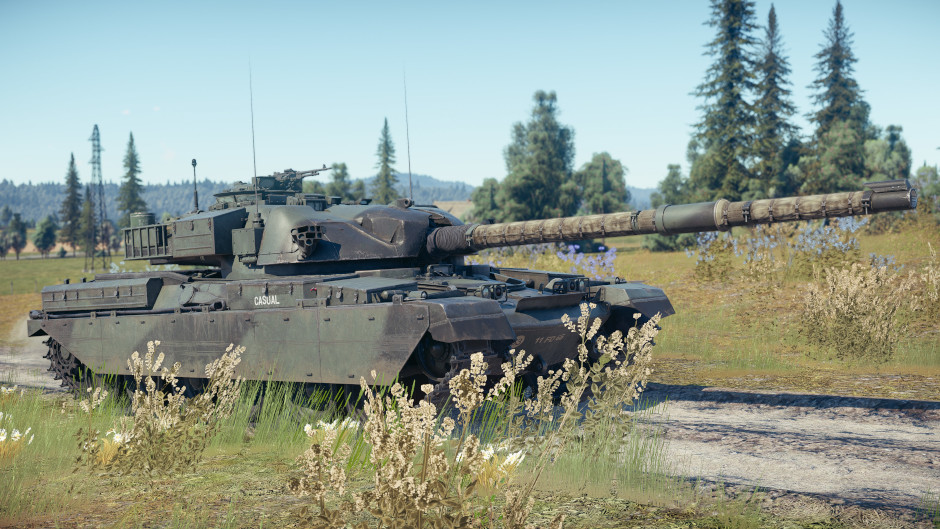
"Casual" Inscription
“Casual” inscription, British Army. Within the ranks of the British Army, a typical regimental tradition is to give each tank a nickname that starts with the squadron's designated letter, in this case C. There is no formal army-wide policy on this process however, though it is generally encouraged within squadrons, many of which have a loose theme, such as adjectives or animals beginning with each letter. Names were typically decided by the tank's crew members themselves, and while crew members are relatively anonymous, the chosen nickname can often give us a small insight into their collective personality. “Casual” was painted on the centermost storage bin on both sides of the hull on a Chieftain that was taking part in exercises in Germany as part of the BAOR during the 1980s.
3./HLeLv 24 Emblem (Late)
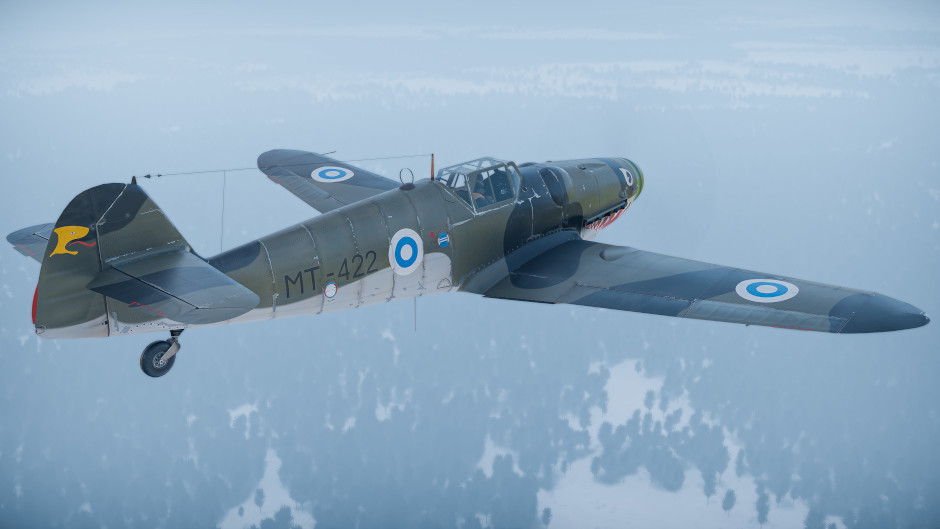
A rare emblem of 3. Lentue, Hävittäjälentolaivue (3rd Flight, Fighter Squadron) 24, Finnish Air Force. During 1944 the squadron transitioned from the trusty Brewster Model 239 to the Bf 109 G, a necessary shift, as the B-239s were struggling to keep up with more modern Soviet aircraft. The 109s performed excellently in Finnish hands; during the remainder of the war, the squadron racked up a very impressive kill ratio of almost 30:1. The marking of the squadron was typically a black lynx, though this more abstract marking appeared shortly after the transition to the Bf 109. Accounts suggest it was painted on a small number of aircraft as an optional new squadron marking, but only one example can be seen clearly. It was painted on the rudder of Bf 109 MT-437, flown initially by Staff Sergeant Leo Ahokas in June 1944.
Zhu De Inscription
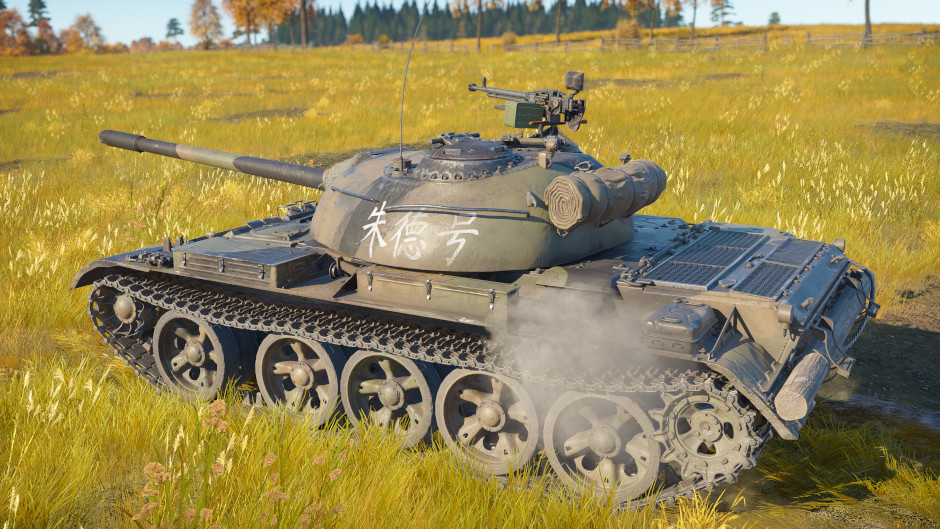
Zhu De (朱德号) inscription, PLA. Named after the Commander-in-Chief of the People's Liberation Army at the time, the inscription can trace its legacy back to 1947, when the East China Field Army captured a number of American M3A3 Stuart light tanks during the Lunan Campaign. Upon the formation of the Field Army’s first tank unit in March 1947, the lead vehicle (tank No. 102) was designated "朱德号". The crew and tank distinguished themselves during the Huaihai Campaign, during which No. 102 absorbed thirteen direct hits while covering wounded comrades under heavy fire. Much like the “Meritorious Warrior” (功臣號) tank, the Zhu De tank passed its honor down through successive generations of tanks operated by the same unit. This particular inscription was painted on the sides of the turret on a Type 59.
Play 20 battles while using French Aircraft with a minimum of 60% Battle Activity
Defeat 50 players using American Tanks
Win 15 battles using Ground Vehicles
Score 20000 Damage using German Coastal Vessels
Destroy 30 Ground or Water targets using Italian Aircraft
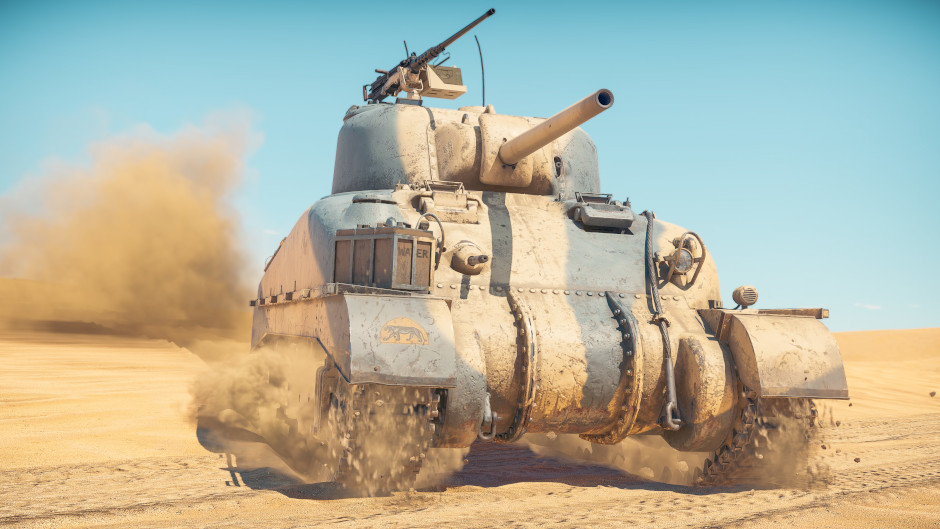
Flottille 14F "Le Corsaire" Emblem
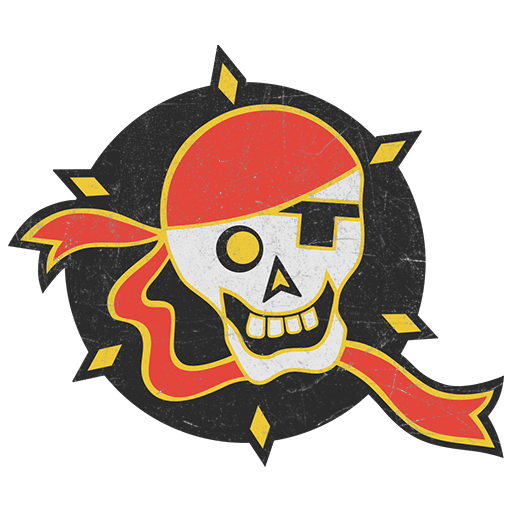
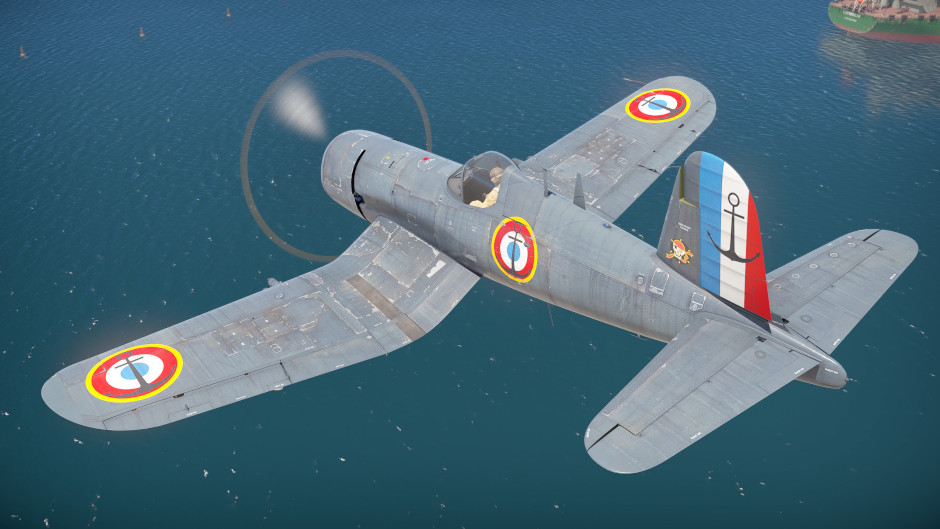
The emblem of Flottille 14F, French Naval Aviation. Flottille 14F was formed on January 15th, 1953, at La Karouba Air Base in Tunisia. It was the first group to receive the new F4U-7 model, specifically manufactured for France, which was the first new aircraft delivered to the French Navy following the Second World War. The group operated the F4U-7 until 1964 and took part in several conflicts, including the First Indochina War in 1954 and the Suez Crisis in 1956. The pirate emblem of the flotilla was directly inspired by the nickname of the F4U, the “Corsair,” named after the state-sanctioned privateers of the Mediterranean. The emblem was painted on the middle of the tail on the flotilla’s F4U-7s. Later, it would be painted as part of a shield under the cockpit of its F-8E Crusaders and on the leading edge of the tail on its Super Étendards.
2nd Infantry Division Emblem
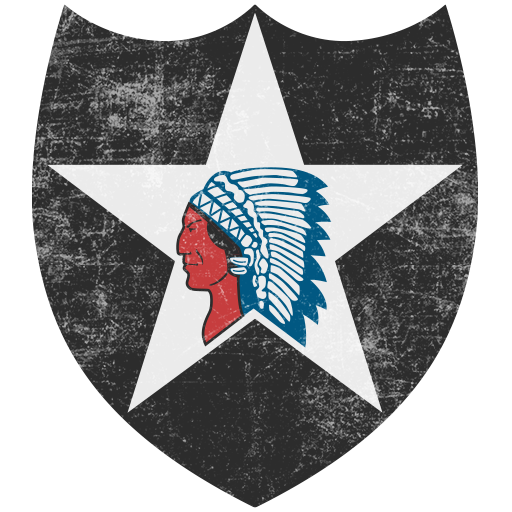
The Emblem of the 2nd Infantry Division, U.S. Army. The division was formed in France on October 26th, 1917, making it the first American division formed overseas during World War I. The famous “Indian Head” design was created the following year. While on an excursion to collect a convoy of trucks, Lt. Samuel Swift of the 2nd Supply Train noticed that the French vehicles all bore a distinct insignia and thought it practical to create one for the unit's own vehicles. The Commanding Officer of the 2nd Supply Train, Lt. Col. William Herringshaw, quickly grasped the practical merit of the idea and set up a design contest for the emblem within the ranks. Two winners were selected: the head of a Native American chief and a white star. The former was chosen as it was considered “a symbol of the original American”, while the white star was picked for its association with Texas, where the unit was previously based. After some deliberation, the two were directly combined and would later feature on innumerable patch designs within the division. While AFVs did not generally bear the typical division emblem, many that operated under it incorporated Native American iconography into their personal markings, which could be seen on various Sherman models during the Second World War and Korean War.
14 Wielkopolska Brygada Pancerna Emblem
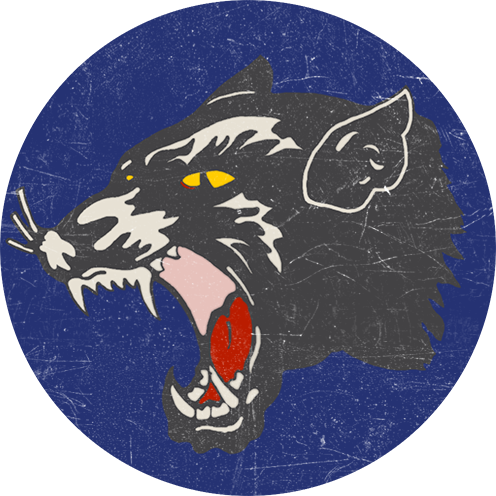
The emblem of the 14 Wielkopolska Brygada Pancerna (14th Greater Poland Armored Brigade), Polish Armed Forces. The Brigade was initially formed on December 12th 1944 as the 3rd Brigade, but was renamed to the 14th on March 8th 1945. The unit never took part in actual combat; its wartime service consisted of training in Egypt during the latter stages of the Second World War, and it later served as part of the Allied occupation force in Italy following VE Day. It trained with a modest selection of vehicles, including the M4 Sherman, M3 and M5 Stuarts, and M3A1 Scout Cars. The emblem of the brigade went through several variations; initially it depicted an elephant, but was later changed to a panther. The emblem primarily existed as a shoulder patch, but likely would have been painted on the left fenders at both the front and rear of the tanks had they entered combat.
3. SFltl Emblem "Fliegender Fisch"
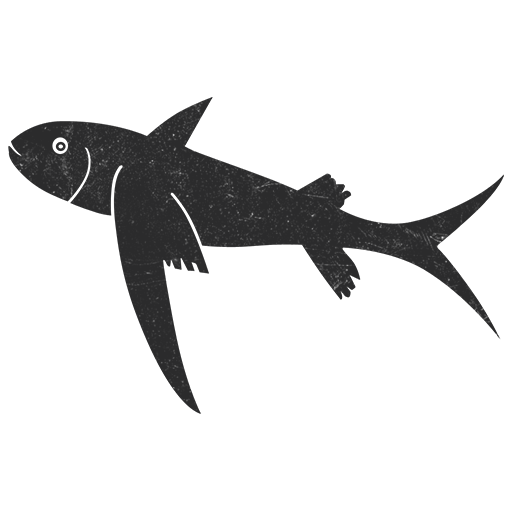
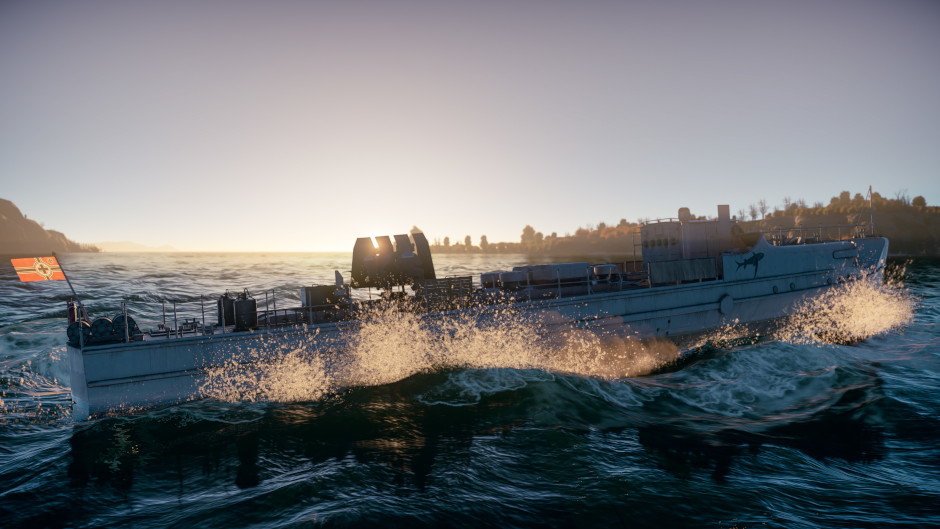
An emblem of the 3. Schnellbootflottille (3rd Fast Boat Flotilla), Kriegsmarine. As was typical for the 3rd Flotilla, all boats had their own distinct insignia to help identify each vessel, usually a sea creature or something nautical. The flying fish was the emblem of S 31, which had the primary role of minelaying, targeting the northern coast of Malta and the approaches to the La Valletta harbor in order to disrupt British naval operations. In May 1942, the group of boats had already laid several minefields, but due to a planning oversight they failed to realize that several of the minefield sites overlapped. On the early morning of May 10th 1942, S 31 struck a friendly mine and was destroyed; S 61 provided aid to rescue the few survivors. The wreck of S 31 sits off the coast of Malta at a depth of around 60 meters and is still a popular technical dive site today. The flying fish emblem was painted on both sides of the hull, adjacent to the bridge.
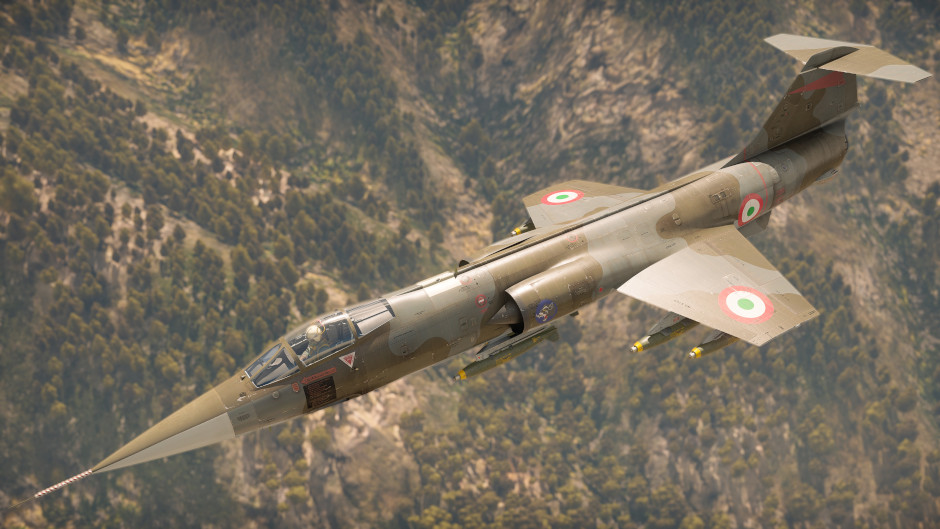
155° Gruppo CB Emblem
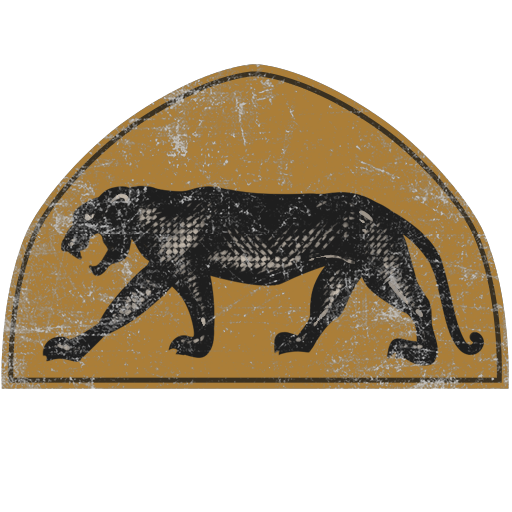
The emblem of 155° Gruppo Caccia-Bombardieri (155th Fighter-Bomber Squadron), Italian Air Force. The group was formed on January 15th 1941 as the 155° Gruppo Caccia Terrestre (155th Land Fighter Squadron) and boasted an impressive record of 127 aerial victories by the end of the Second World War. This specific emblem would come about much later when the group transitioned to the F-104. In Italian service, the aircraft received the daunting nickname of “Bara Volante” (Flying Coffin), which sadly proved true in the history of the 155th, as the unit lost five F-104s during its run; the majority were lost to bad weather accidents rather than specific aircraft faults however. The panther emblem could be seen during the group’s time at Istrana Air Base, where it was placed towards the front on the engine intakes.
Monthly markings can be found in a special tab at the bottom of the customization menu, (Monthly Decals) after a month, they’ll be moved to their corresponding category.
You can check the exact terms and track the progress of completing tasks for these decals by going to your Player Profile > Decals > Monthly Decals. From here, click the “Track progress” button on each decal to track from the hangar.
All of the emblems will come with a detailed description. This will generally consist of the history of the marking, its design, which vehicles used it, and where it was often placed on vehicles historically if applicable (some emblems are taken from badges, which weren’t always applied). This way you can more easily recreate the original positioning if you’d like.
That’s all for today, thanks as always for taking part in the monthly decals event! We’ve got lots of interesting news to share over the coming weeks as we rumble towards the next major update, so keep an eye on the news, and we’ll see you soon!
Comments (19)
Comments will be premoderatedEmblem of 14 Wielkopolska Brygada Pancerna is back!! good start of the day.
The 50 kills requirement is too long for a decal (especialy aircraft, where you get less kills per match), while being in top 3 3 times is very easy, like daily task. Some balance should be done here.
It's 50 kills, but you have whole month to do this.
Stona_WT, dear Stona, why is there no pages of history august? :(
When can we see more decals for Israel?
They all look cool, nice work devs. Lets Get Grinding
Casual is going to go crazy
If only I had any british tanks :(
Chiyo-chichi reference???
This is the second time you’ve shown off the MiG-23MLD for these and not bothered to fix the bug with the Radar Dome/RWR textures 😭 pls it’s been years
Hey, there's no "Track Progress" button under the decals. It got replaced by "Mark as Favorite ", which puts the decal into the "Favorites" decal tab in the Customization screen. Please fix this
Please restart the game - option to track decals opens only, when decals goes live (there is timer visible next to the decal).
wolf decal pls
Submit a complaint