
- For PC
- For MAC
- For Linux
- OS: Windows 10 (64 bit)
- Processor: Dual-Core 2.2 GHz
- Memory: 4GB
- Video Card: DirectX 11 level video card: AMD Radeon 77XX / NVIDIA GeForce GTX 660. The minimum supported resolution for the game is 720p.
- Network: Broadband Internet connection
- Hard Drive: 23.1 GB (Minimal client)
- OS: Windows 10/11 (64 bit)
- Processor: Intel Core i5 or Ryzen 5 3600 and better
- Memory: 16 GB and more
- Video Card: DirectX 11 level video card or higher and drivers: Nvidia GeForce 1060 and higher, Radeon RX 570 and higher
- Network: Broadband Internet connection
- Hard Drive: 75.9 GB (Full client)
- OS: Mac OS Big Sur 11.0 or newer
- Processor: Core i5, minimum 2.2GHz (Intel Xeon is not supported)
- Memory: 6 GB
- Video Card: Intel Iris Pro 5200 (Mac), or analog from AMD/Nvidia for Mac. Minimum supported resolution for the game is 720p with Metal support.
- Network: Broadband Internet connection
- Hard Drive: 22.1 GB (Minimal client)
- OS: Mac OS Big Sur 11.0 or newer
- Processor: Core i7 (Intel Xeon is not supported)
- Memory: 8 GB
- Video Card: Radeon Vega II or higher with Metal support.
- Network: Broadband Internet connection
- Hard Drive: 62.2 GB (Full client)
- OS: Most modern 64bit Linux distributions
- Processor: Dual-Core 2.4 GHz
- Memory: 4 GB
- Video Card: NVIDIA 660 with latest proprietary drivers (not older than 6 months) / similar AMD with latest proprietary drivers (not older than 6 months; the minimum supported resolution for the game is 720p) with Vulkan support.
- Network: Broadband Internet connection
- Hard Drive: 22.1 GB (Minimal client)
- OS: Ubuntu 20.04 64bit
- Processor: Intel Core i7
- Memory: 16 GB
- Video Card: NVIDIA 1060 with latest proprietary drivers (not older than 6 months) / similar AMD (Radeon RX 570) with latest proprietary drivers (not older than 6 months) with Vulkan support.
- Network: Broadband Internet connection
- Hard Drive: 62.2 GB (Full client)
Welcome to the latest edition of our video digest! Today we’ll talk about tactical solutions from the Cold War era: the American B-66 Destroyer bomber and the Stingray light tank. You’ll also experience thrilling moments with rocket tanks, new features in the Thunder Show program, and a modern look at armored vehicles with the introduction of the BTR-80A.
Don't forget, you can now use video subtitles!
B-66 Destroyer: One-Size-Fits-All
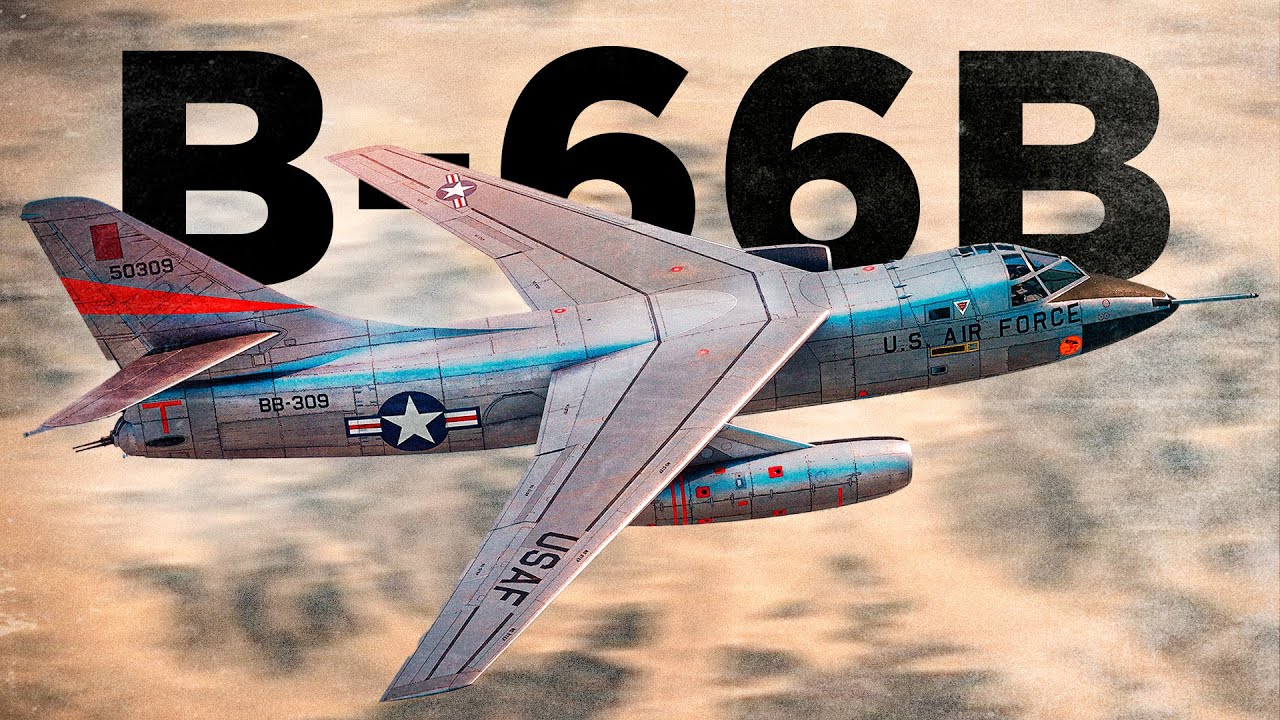
The U.S. Air Force entered the Cold War well-armed. Swift fighters for air combat and formidable bombers for long-range strikes would have been a serious argument in any global war. The only real gap was in tactical bombers. At first, U.S. planners hoped to do without them, assigning close support to European allies and light attack types, say, Sabres lugging bombs. But as the Soviet Union’s air defenses improved, that approach looked less and less tenable. By the mid-1950s the U.S. military changed course: it adopted an upgraded version of Britain’s Canberra and, to complement it, ordered a land-based variant of the Navy’s A-3 Skywarrior.
Stingray: Jungle Hunter
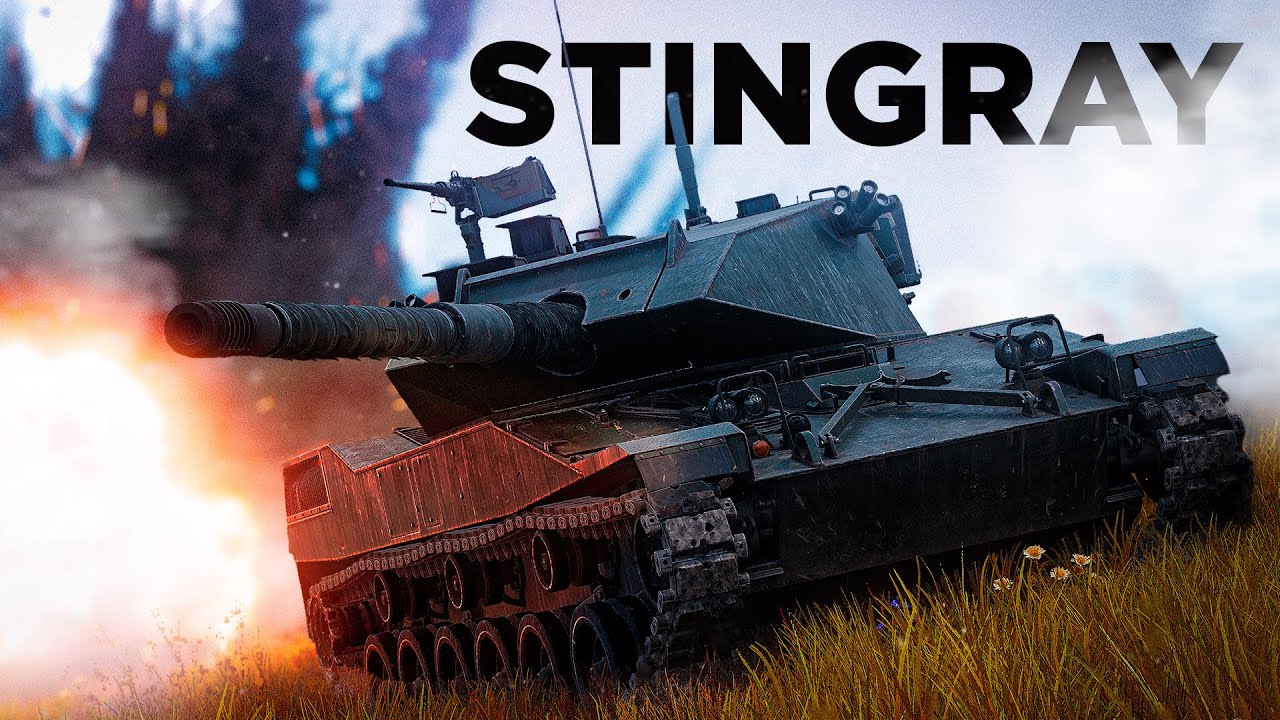
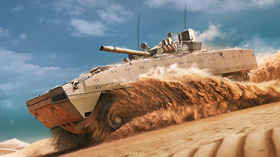
We’re back with more new arrivals! Today’s spotlight is on a light tank developed in the United States during the 1980s for the export market. Several countries including Chile, Malaysia, and Ecuador considered buying it, but in the end only Thailand adopted it for service. Meet the Stingray. In War Thunder, you’ll find it in both the American and Japanese tech trees.
Thunder Show: BULL’S EYE
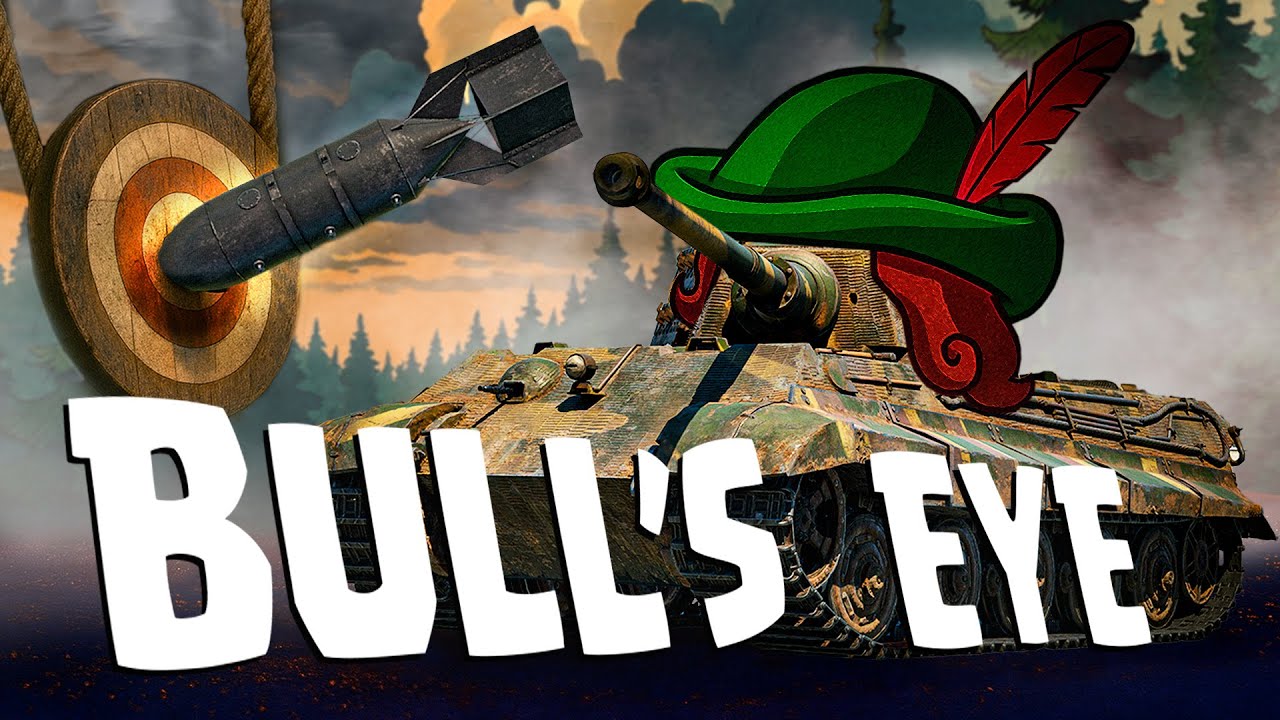
This episode is full of mysteries, lifehacks, explosions, and the power of machine gun turrets.
Missile Tanks
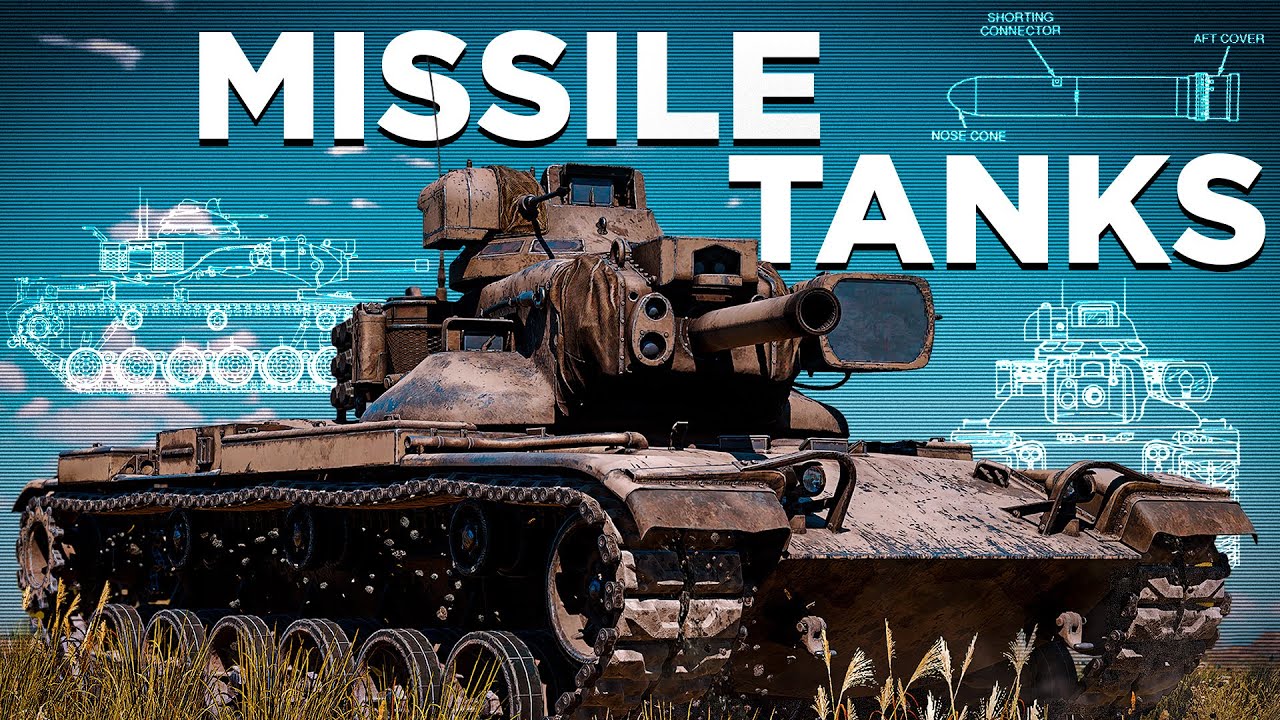
War Thunder has no shortage of ATGM carriers, but a few of them really stand out. At first glance they look like regular tanks, but their true power lies in guided missiles. Today we’re taking these unusual machines for a spin: the M60A2 “Starship”, the M551 Sheridan, the AMX-30 ACRA, and the Object 775.
BTR-80А: New Way of Thinking
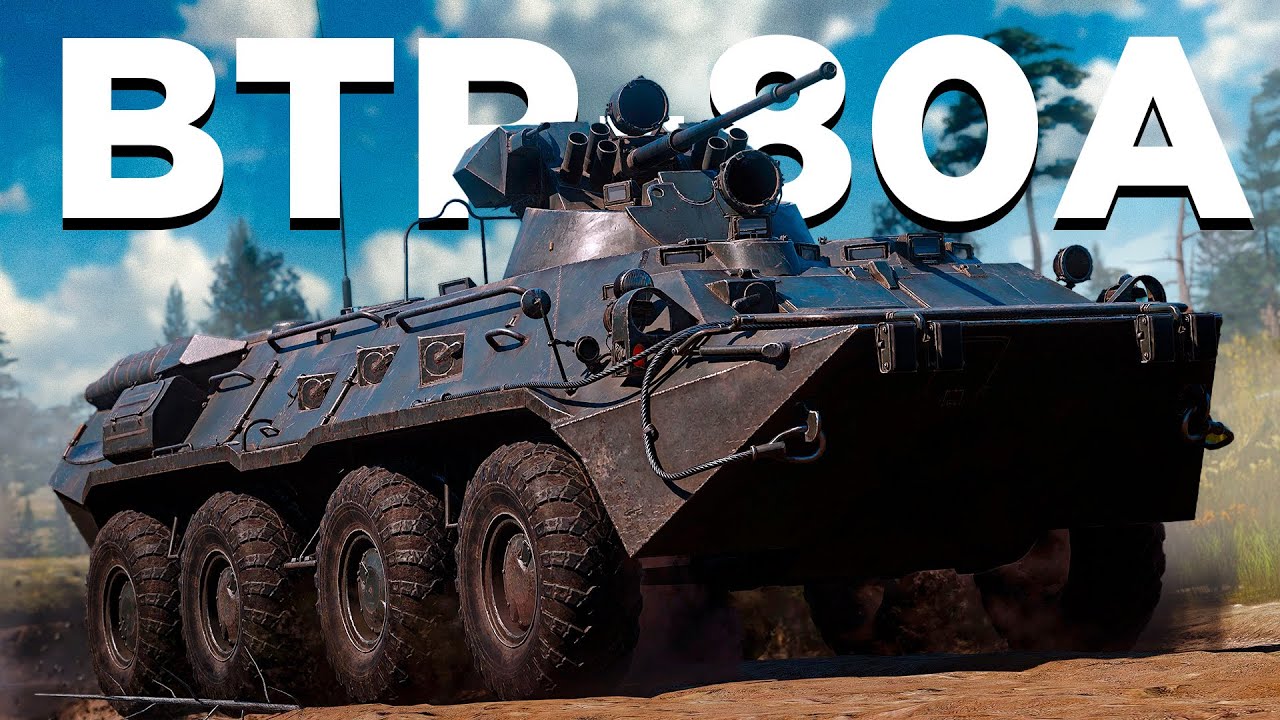
Armored personnel carriers and infantry fighting vehicles may seem alike at first glance, but their roles are quite different. APCs are built to carry troops, while IFVs are meant to fight alongside them. Western designers often blurred that distinction, but in the Soviet Union the line was drawn clearly. For infantry support, the military relied exclusively on tracked vehicles armed to take on tanks and other armored targets. Wheeled vehicles with heavy machine guns were left with the job of troop transport. That separation held for decades, right up until the arrival of the BTR-80A — the first sign of a new way of thinking.
Comments (0)
Comments will be premoderatedSubmit a complaint