
- PC平台
- MAC平台
- Linux平台
- 操作系统:Windows 10 (64位)
- 处理器:双核 2.2 GHz
- 内存大小:4GB
- 图形处理器:DirectX 11 级别的显卡 - AMD Radeon 77XX / NVIDIA GeForce GTX 660 (游戏支持的解析度最低为720P)
- 网络:宽带网络连接
- 硬盘空间:23.1 GB (极简客户端)
- 操作系统:Windows 10 / 11 (64位)
- 处理器:英特尔 Core i5 或 Ryzen 5 3600 及以上
- 内存大小: 16 GB 或更高
- 图形处理器:DirectX 11 及以上级别的显卡 - Nvidia GeForce GTX1060 / AMD Radeon RX 570 同等级及更高
- 网络:宽带网络连接
- 硬盘空间: 75.9 GB (完整客户端)
- 操作系统:Mac OS Big Sur 11.0 或更新版本
- 处理器:Core i7,至少需要 2.2GHz (不支持Intel Xeon系列)
- 内存大小:6 GB
- 图形处理器: Intel Iris Pro 5200 (Mac) 或同等水平的 AMD / Nvidia显卡 (游戏支持的解析度最低为720P)
- 网络:宽带网络连接
- 硬盘空间: 22.1 GB (极简客户端)
- 操作系统:Mac OS Big Sur 11.0 或更新版本
- 处理器:Core i7 (不支持Intel Xeon系列)
- 内存大小:8 GB
- 图形处理器:Radeon Vega II或更高,需要支持Metal
- 网络:宽带网络连接
- 硬盘空间:62.2 GB (完整客户端)
- 操作系统:大部分现代 64 位 Linux 系统发行版
- 处理器:双核 2.4 GHz
- 内存大小:4 GB
- 图形处理器:NVIDIA GTX 660 及最新显卡驱动 (至少为半年以内的版本) 或同等水平的 AMD 显卡及最新的显卡驱动 (至少为半年以内的版本)。游戏支持的解析度最低为720P。显卡需要支持Vulkan API
- 网络:宽带网络连接
- 硬盘空间: 22.1 GB (极简客户端)
- 操作系统:Ubuntu 20.04 64位
- 处理器:Intel Core i7
- 内存大小: 16 GB
- 图形处理器:NVIDIA GTX 1060 与最新显卡驱动 (至少为半年以内的版本) 或同等水平的 AMD 显卡 (如 Radeon RX 570) 及最新的显卡驱动 (至少为半年以内的版本)。
- 网络:宽带网络连接
- 硬盘空间:62.2 GB (完整客户端)
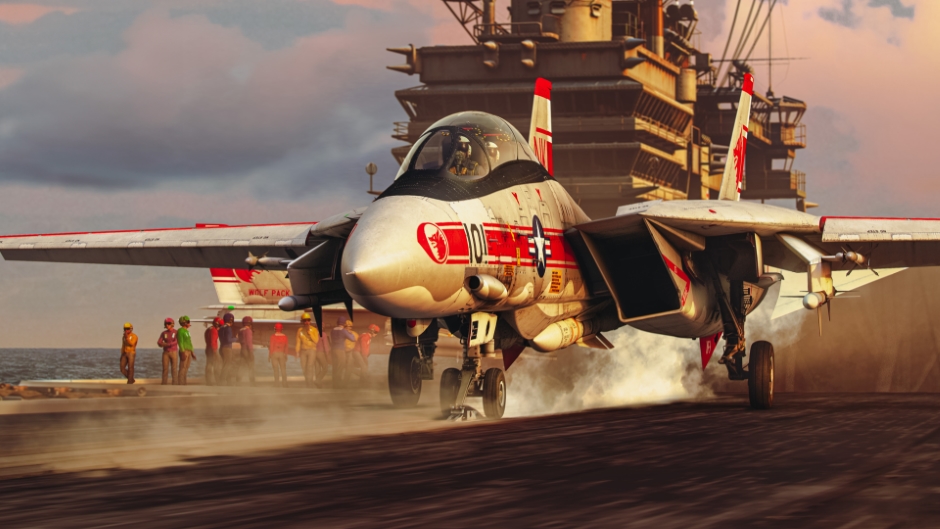
Today, we’re going to tell you about the work that we have been doing to improve Radar Warning Receivers (RWR)! These improvements will come to the game very soon in the next major update, “Sons of Attila”!
Radar Warning Receivers are an important part of aircraft that are located in the higher ranks of planes and helicopters. We’ve collected a lot of feedback from you, as well as suggestions and wishes in regards to RWR, and as a result we’ve undertaken a vast amount of work to drastically improve this part of the game.
In general terms, the improvement of RWR (Radar Warning Receiver) was aimed at effectively replicating the functionality of various individual RWR systems. In Realistic and Simulator modes, RWRs now have detectable frequency ranges, while some older RWRs lost the ability to distinguish tracking mode from simple illumination; some RWRs no longer differentiate between pulse-Doppler and pulse radar signals.
Depending on the RWR model, targets are identified in a different way, depending on signal types and carrier types, up to full identification of the radar carrier based on database information. The most advanced RWRs are even capable of detecting launches of missiles with semi-active warheads, as well as anti-aircraft missiles in "silent" mode, i.e., with a SAM's radar turned off, based on the radio commands sent to the missile en route to the target.
Now, let's go into a bit more detail!
Important note! — All of these current lists and operating particulars are not final, and all may be expanded and further clarified in the near future.
Individual Frequency Ranges
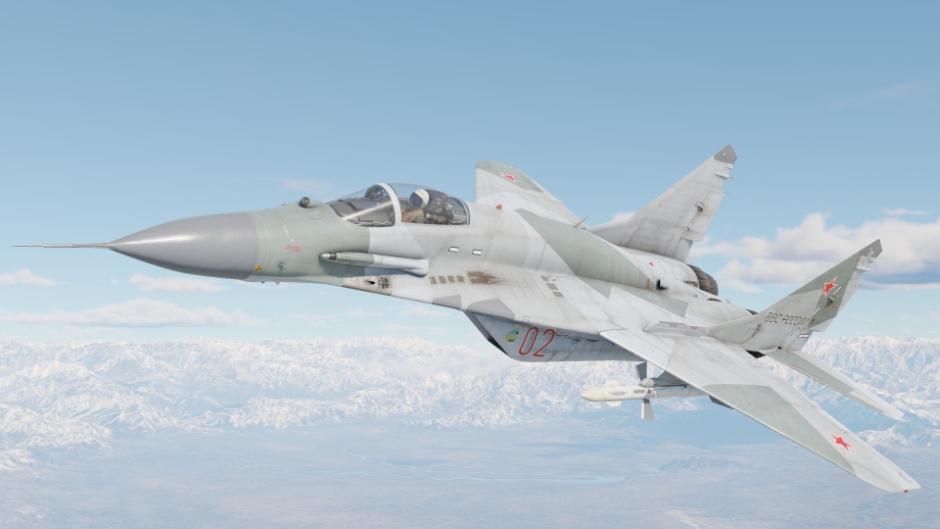
For each RWR model in the game, we have set up an actual range of operating frequencies. Therefore, the success of detecting radar emissions is now dependent on whether the frequency range of the RWR overlaps with the radar's operating frequency. It's very easy to find out the radar's working frequency range — they are displayed in X-ray mode in the hangar when you hover the cursor over the pilot figure. This aspect of the RWR's frequency range is only relevant in RB and SB modes; in AB mode, all RWRs are still capable of detecting all emission frequencies from all radars. Below you will find a list of radar warning stations and examples of aircraft on which they are used, indicating the working frequency ranges. For convenience, we will be using Western frequency range classification (bands).
RWR Frequency Bands for Various Aircraft:
- SPO-2 (Su-7B): I-band
- SPO-10 (MiG-21SMT): H-J bands
- SPO-15 (MiG-29): G-I bands
- Detecteur (Mirage IIIE): I-J band
- f95 (Saab A32): I-band
- APP-27 (AJ37): E-J bands
- APP-73 (JA37): I-J bands
- AN/APR-25 (F-4C), AN/APR-36 (A-4E): E, G, I bands
- AN/ALR-45 (F-14A): E-J bands
- AN/ALR-46 (F-4E): E-J bands
- AN/ALQ-73 (F-104S ASA): I-J bands
- AN/ALR-56M (F-16A): E-J bands
- AN/ALR-67 (F-14B), AN/ALR-69 (A-10A): C-J bands
- ARI 18241-1 (Tornado ADV): C-J bands
- AN/APR-39 (AH-64A/D): C-M bands
Tracking Mode Detection
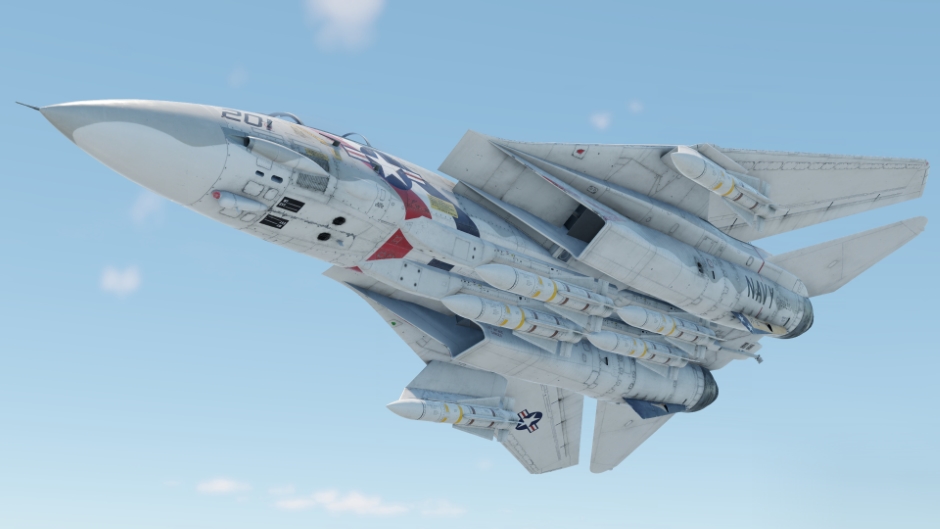
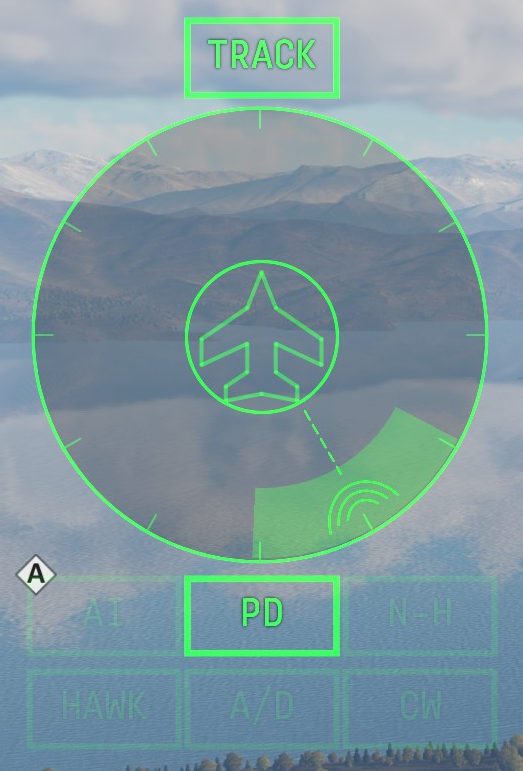
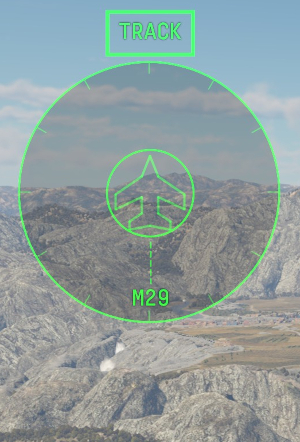
Some older warning stations will now be unable to detect the target tracking mode of the radar. The target will be constantly displayed on the indicator but will no longer feature a dashed line or a special continuous audio signal. For more modern RWRs, the active tracking mode will still be indicated by a dashed line from the center of the indicator to the source of the emission, with a “TRACK” message appearing above the indicator.
List of stations that have lost the ability to detect tracking mode:
- SPO-2 (Su-7B)
- SPO Mirage IIIE
- f95 (Saab A32)
- APP-73 (JA37)
- AN/APR-25 (F-4C)
- AN/APR-36 (A-4E)
- AN/ALR-45 (F-14A)
Detection of Pulse-Doppler Signals
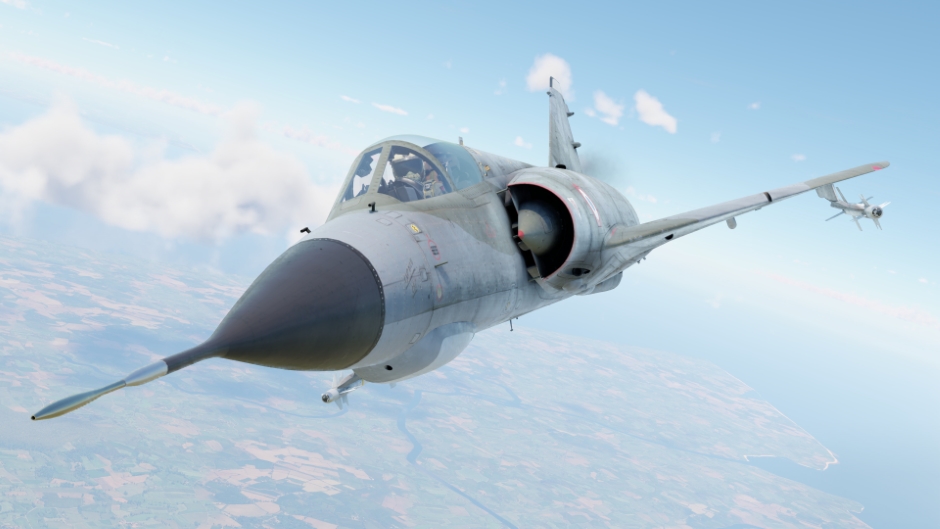
Depending on the generation, some stations don’t have the ability to detect pulse-Doppler signals. Now, in Simulator mode, a number of older RWRs have also lost the ability to detect pulse-Doppler signals. In Realistic and Arcade modes, stations will not be able to directly identify such radars but will still be able to detect them.
Here is a list of such stations:
- SPO-2 (Su-7B)
- SPO-10 (MiG-21SMT)
- SPO Mirage IIIE
- f95 (Saab A32)
- AN/APR-25 (F-4C)
- AN/APR-36 (A-4E)
- AN/ALR-45 (F-14A)
- AN/ALQ-73 (F-104S ASA).
Radar Tracking
Simple Radar Warning Receivers previously only provided the direction to the signal source each time it was detected. A marker would appear upon signal detection and soon disappear. For more advanced stations, such as the AN/ALR-46 (F-4E), AN/ALR-56M (F-16A), AN/ALR-67 (F-14B), ARI 18241-1 (Tornado ADV) and AN/APR-39 (AH-64A/D), we recreated tracking for each source and its relative movement on the indicator, with the marker constantly present on the display. When a new target is detected, its marker will be circled.
Target Identification
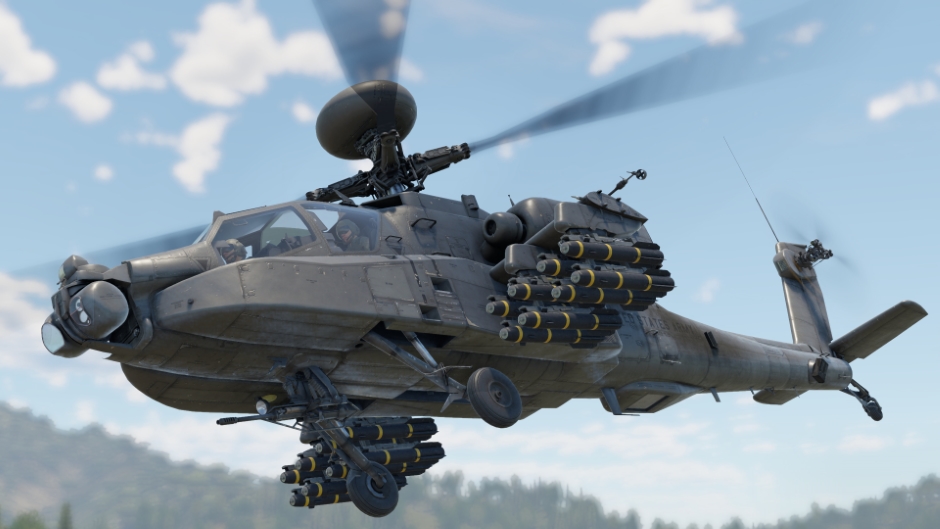
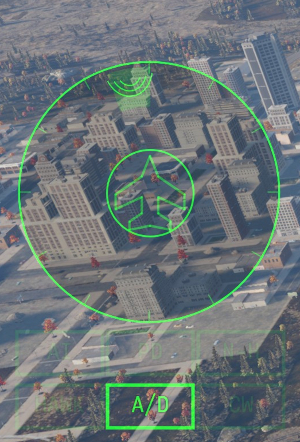
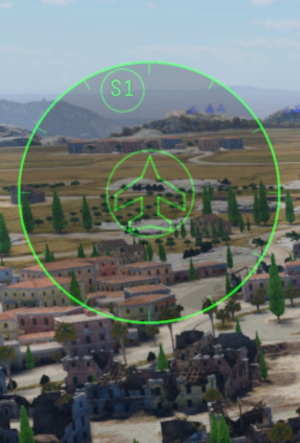
In reality, some RWRs can, to some extent, identify radar carriers. This capability also depends on the generation and the specific model. For example, older models were completely devoid of identification capability. More modern RWRs through lamp indicators, allowed the opportunity to approximately identify different types of targets, although in situations where multiple targets were involved, it was very difficult to understand precisely which target was identified and in which direction. Finally, the most advanced RWRs can identify targets directly on the indicator. The pilot gets a complete picture of the battlefield, and to avoid overlapping markers in tight arrangements, they blink alternately. It should also be noted that two nearby radars in this case can be identified as one. In the game, depending on the RWR model, targets are identified differently: from signal types and carrier types to identifying specific carriers, for example:
- AI (Air-to-Air) - Fighter
- PD (Pulse Doppler) - Pulse Doppler Radars
- A/D (Air Defense) - Air Defense System
- SAM (Surface-to-Air Missile) - SAM System
- AAA (Anti-Aircraft Artillery) - Anti-Aircraft Artillery
List of equipment without target identification capability:
SPO-2 (Su-7B), SPO-10 (MiG-21SMT), f95 (Saab A32).
Target identification by lighting lamps under the RWR indicator:
AN/APR-25 (F-4C), AN/APR-36 (A-4E), AN/ALR-45 (F-14A), SPO-15 (MiG-29), APP-27 (AJ37), APP-73 (JA37), Detecteur (Mirage IIIE).
Target identification on the indicator:
AN/ALR-46 (F-4E), AN/ALR-56M (F-16A), AN/ALR-67 (F-14B), ARI 18241-1 (Tornado ADV), AN/APR-39 (AH-64A/D).
Missile Launch Detection
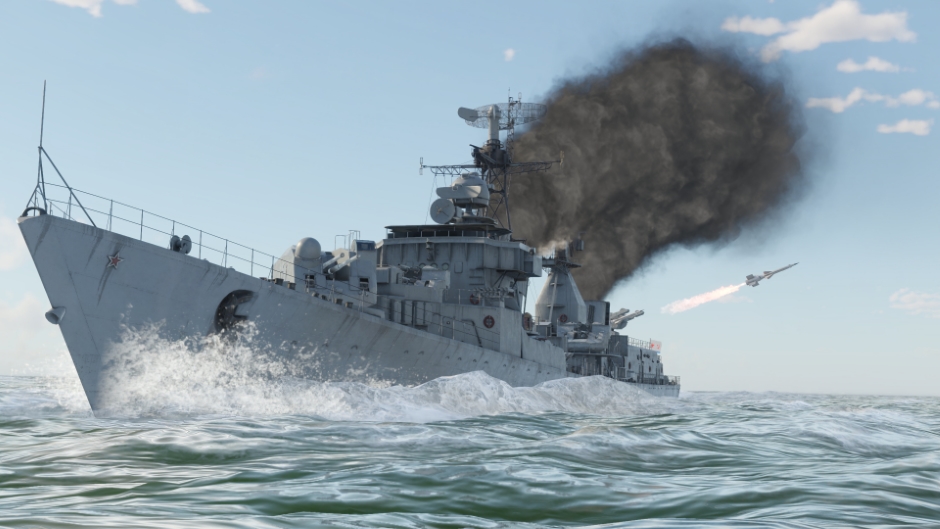
Some RWRs can detect the activation of target illumination channels when a target is locked by radar and illuminated by continuous-wave or pulse-doppler signal for missiles with a semi-active radar seeker. RWRs can also detect radio command transmission for semi-automatic Surface-to-Air missiles like Roland variants, and "Volna," "Tor," "Tunguska" SAMs. Even if the Surface-to-Air Missile (SAM) System operates in radio silence mode, meaning it tracks the target using optics and does not activate tracking radar, the RWR can detect commands sent to the anti-aircraft missile. RWR can also detect emissions from missile active radar seekers like the AIM-54. In the game, on aircraft with such advanced RWRs, pilots will see a blinking dashed line from the center in the direction of the radiation source with the text "LAUNCH" displayed above the indicator.
List of RWRs capable of detecting missile launches with their particulars:
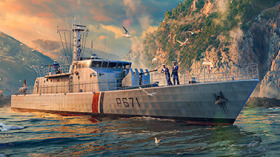
The following can only detect the launch of the S-125, or the "Volna" SAM from the destroyer Bravy.
- AN/APR-25 (F-4C)
- AN/APR-36 (A-4E)
- AN/ALR-45 (F-14A)
The SPO-15 model present on the MiG-29, can detect illumination for radar-guided missiles, such as those used by the F-4, MiG-29, F-16 and F-104 variants.
The following can detect illumination for radar-guided missiles, in addition to Roland SAMs of all variants, as well as "Volna," "Tor" and "Tunguska" missiles.
- AN/ALR-46 (F-4E)
- AN/ALR-56M (F-16A)
- AN/ALR-67 (F-14B)
- ARI 18241-1 (Tornado ADV)
- AN/APR-39 (AH-64A/D)

评论 (0)
评论将处于预审核状态提交举报