- PC
- MAC
- Linux
- 운영체제: Windows 10 (64 bit)
- 프로세서: 2.2 GHz 듀얼코어 이상
- 메모리: 4GB
- 그래픽 카드: DirectX 11 이상을 지원하는 AMD Radeon 77XX / NVIDIA GeForce GT 660. 최소 사양 해상도: 720p
- 네트워크: 브로드밴드 인터넷
- 여유 저장 공간: 22.1 GB (최소 클라이언트)
- 운영체제: Windows 10/11 (64 bit)
- 프로세서: Intel Core i5 또는 Ryzen 5 3600 이상
- 메모리: 16 GB 이상
- 그래픽 카드: DirectX 11 이상을 지원하는 Nvidia GeForce 1060, 또는 AMD RX 570 혹은 그 이상
- 네트워크: 브로드밴드 인터넷
- 여유 저장 공간: 62.2 GB (전체 클라이언트)
- 운영체제: Mac OS Big Sur 11.0
- 프로세서: 최소 2.2 GHz의 Core i5 (Intel Xeon 은 지원하지 않습니다)
- 메모리: 6 GB
- 그래픽 카드: Metal 을 지원하는 Intel Iris Pro 5200 (Mac), 혹은 이와 비슷한 성능을 가지는 Mac 버전의 AMD/Nvidia. 최소 해상도: 720p
- 네트워크: 브로드밴드 인터넷
- 여유 저장 공간: 22.1 GB (최소 클라이언트)
- 운영체제: Mac OS Big Sur 11.0
- 프로세서: Core i7 (Intel Xeon 은 지원하지 않습니다)
- 메모리: 8 GB
- 그래픽 카드: Metal을 지원하는 Radeon Vega II 이상
- 네트워크: 브로드밴드 인터넷
- 여유 저장 공간: 62.2 GB (전체 클라이언트)
- 운영체제: 64bit Linux 중 최신 버전
- 프로세서: 2.4 GHz 듀얼코어
- 메모리: 4 GB
- 그래픽 카드: Vulkan 을 지원하고, 최신 그래픽 드라이버를 지원하는 NVIDIA 660 (6개월 미만) 혹은 그와 동급의 성능을 가지며 최신 그래픽 드라이버를 지원하는 AMD (6개월 미만; 최소사양 지원 해상도 720p)
- 네트워크: 브로드밴드 인터넷
- 여유 저장 공간: 22.1 GB (최소 클라이언트)
- 운영체제: Ubuntu 20.04 64bit
- 프로세서: Intel Core i7
- 메모리: 16 GB
- 그래픽 카드: Vulkan 을 지원하고, 최신 그래픽 드라이버를 지원하는 NVIDIA 1060 (6개월 미만) 혹은 그와 동급의 성능을 가지며 최신 그래픽 드라이버를 지원하는 AMD RX 570 (6개월 미만; 최소사양 지원 해상도 720p) 이상
- 네트워크: 브로드밴드 인터넷
- 여유 저장 공간: 62.2 GB (전체 클라이언트)
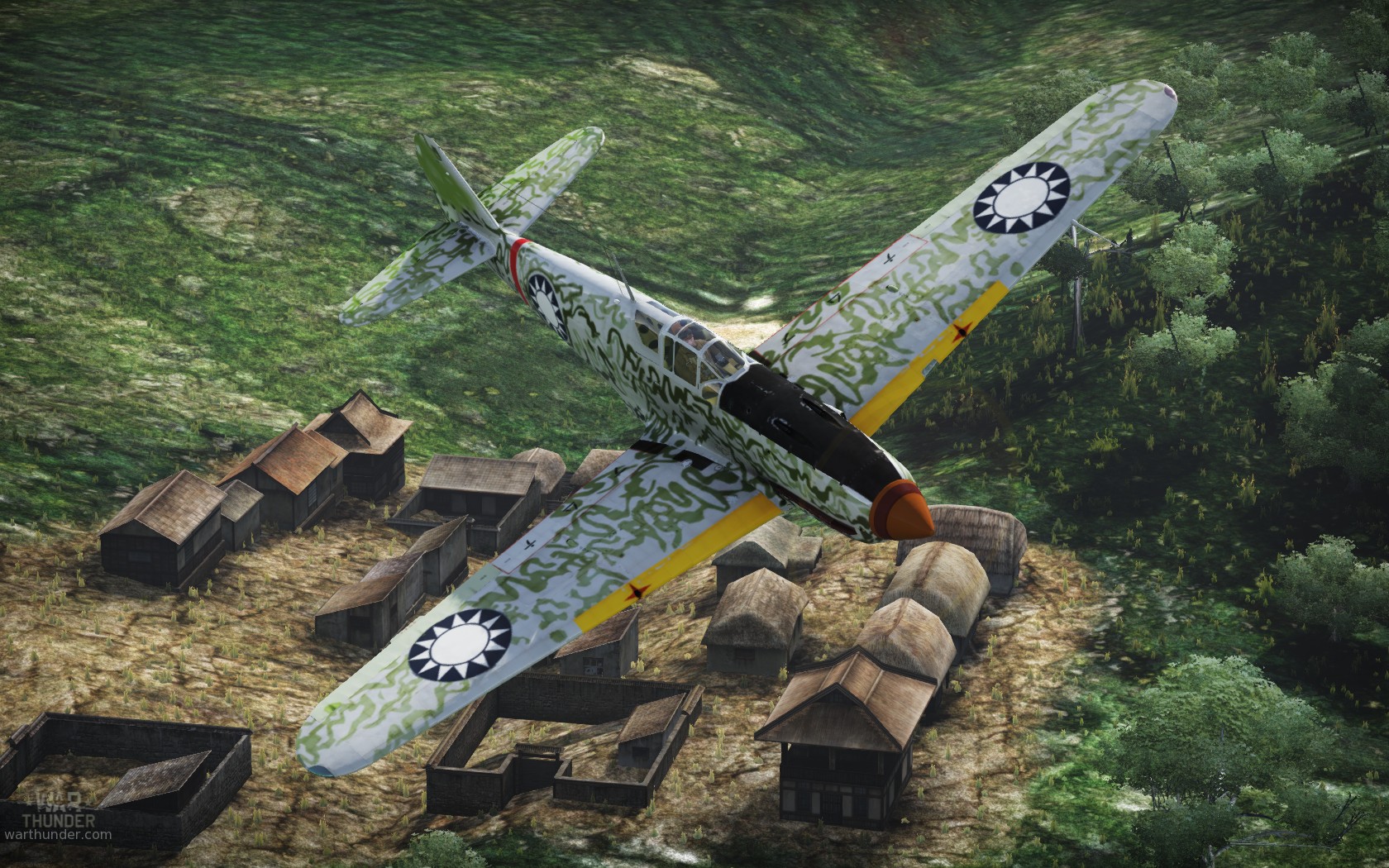
Captured Ki-61 skin by Senshi_Isamu | download here
 |
|
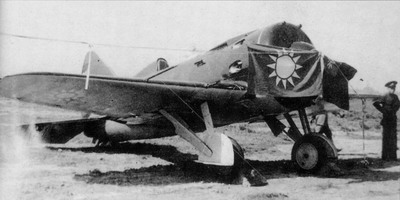
The USSR sent over 1,000 aircraft as well as volunteer instructors and pilots to fight against the Japanese in China |
Formed by the Kuomintang Party in 1920, the Republic of China Air Force relied heavily on export aircraft in order to build up a substantial force. Initially the air force was used as a mere tool of local warlords. However, with the fall of Manchuria in 1932 Japan was showing obvious aggressive intent towards China and it was clear that the somewhat infant ROCAF would have to prepare for action.
When the Second Sino-Japanese war broke out on July 7th 1937, China was massively ill-equipped and operating ageing and obsolete aircraft such as the Boeing P-26 and Curtiss Hawk III. This changed when, on August 21st, the Sino-Soviet non-aggression pact was signed. This agreement between the USSR and the Chinese Nationalist government provided China with military equipment to aid in the fight against the Japanese.
The Soviets were converting a large amount of their bomber units to the Ilyushin DB-3 by 1939. This allowed the more obsolete SB 2 bombers to be transferred to the Chinese Air Force, providing them with a formidable weapon against the Japanese. The USSR also supplied volunteer instructors to accompany these bombers, who provided guidance in operating them. In some cases, whole units would come over to fly the aircraft like the I-16 fighters. Overall, the Soviet Union provided China with over a thousand aircraft.
 |
|
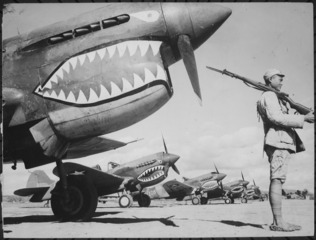
The famous “Shark Teeth” visible on a lineup ofAVG P-40’s guarded by Chinese soldiers |
Perhaps the most famous aid the ROCAF received was that supplied by the American Volunteer Group who came to be known as the “Flying Tigers”. These men were recruited under the authority of President Roosevelt by Claire Lee Chennault in 1941. Chennault had worked in China since 1937 as an aviation advisor to Chiang Kai-Shek, China’s leader, so was fully aware of that combat capabilities of the Japanese by the time World War 2 escalated with America’s entry in December 1941.
Officially the AVG served in the ROCAF. The Flying Tigers were not to be affiliated or linked with the USAAF or any US military organisation, hence the aircraft wore Chinese nationalist markings throughout the course of their service. Operating the P-40 with their distinctive “Sharks Teeth” up until disbandment and re-unification of the unit with the USAAF, the men who “flew for China” became known as heroes all over the country.
After this, the US continued to provide aid to keep the ROCAF combat capable against the Japanese by providing types such as the Hudson, P-43, P-66 and later into the war B-25s, B-17s and P-51 C/B/D/K models.
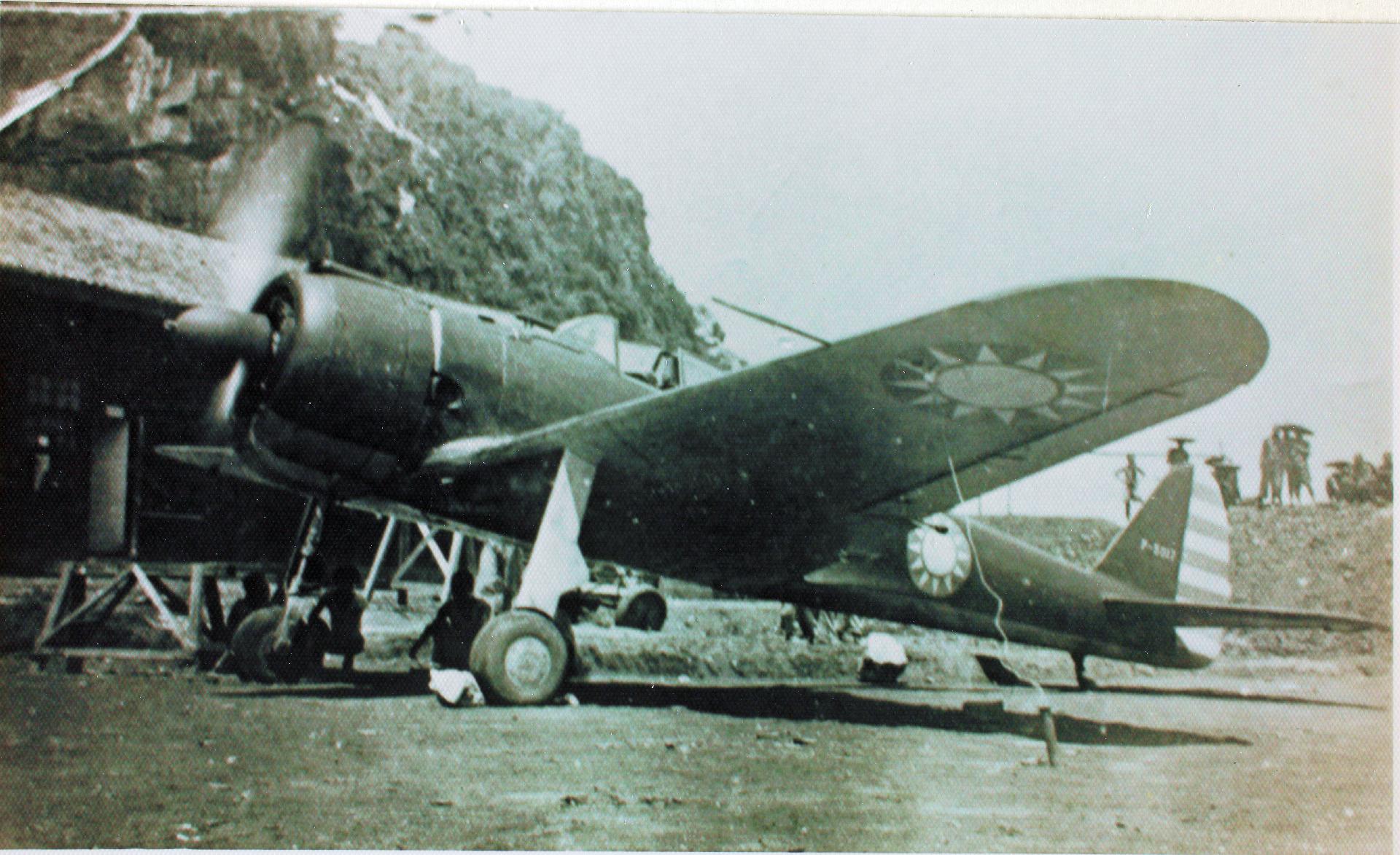
Towards the end of the war, large numbers of Japanese aircraft began to fall into Chinese hands. Aircraft such as the Ki-27, Ki-43, Ki-61, Ki-46, Ki-45, Ki-44 and Ki-84 amongst others were being captured and operated by the ROCAF, but were also being collected and operated by a second faction within China.
 |
|
A Nakajima Ki-43 Hayabusa fighter captured by Chinese Nationalists |
The Chinese Democratic Alliance Forces had remained relatively quiet during WW2. After the conclusion of the war, they renewed their fight against the Nationalist leadership of China. Civil war broke out with both sides operating captured Japanese aircraft as well as P-51s and other aircraft provided by different nations. The ROCAF was fighting what would become known as the People’s Liberation Army Air Force.
Following the People’s Liberation Army’s victory and establishment of the People’s Republic of China in October 1949, the Nationalist government along with the ROCAF was exiled from mainland China and moved to Taiwan where it continues operations today. Over the years they have operated many US types such as the F-86, F-100 and F-104 and currently operate the F-16 and Dassault Mirage 2000 as well as the indigenous AIDC Ching-kuo to name only a few.
The War Thunder Team