- PC
- MAC
- Linux
- 운영체제: Windows 10 (64 bit)
- 프로세서: 2.2 GHz 듀얼코어 이상
- 메모리: 4GB
- 그래픽 카드: DirectX 11 이상을 지원하는 AMD Radeon 77XX / NVIDIA GeForce GT 660. 최소 사양 해상도: 720p
- 네트워크: 브로드밴드 인터넷
- 여유 저장 공간: 22.1 GB (최소 클라이언트)
- 운영체제: Windows 10/11 (64 bit)
- 프로세서: Intel Core i5 또는 Ryzen 5 3600 이상
- 메모리: 16 GB 이상
- 그래픽 카드: DirectX 11 이상을 지원하는 Nvidia GeForce 1060, 또는 AMD RX 570 혹은 그 이상
- 네트워크: 브로드밴드 인터넷
- 여유 저장 공간: 62.2 GB (전체 클라이언트)
- 운영체제: Mac OS Big Sur 11.0
- 프로세서: 최소 2.2 GHz의 Core i5 (Intel Xeon 은 지원하지 않습니다)
- 메모리: 6 GB
- 그래픽 카드: Metal 을 지원하는 Intel Iris Pro 5200 (Mac), 혹은 이와 비슷한 성능을 가지는 Mac 버전의 AMD/Nvidia. 최소 해상도: 720p
- 네트워크: 브로드밴드 인터넷
- 여유 저장 공간: 22.1 GB (최소 클라이언트)
- 운영체제: Mac OS Big Sur 11.0
- 프로세서: Core i7 (Intel Xeon 은 지원하지 않습니다)
- 메모리: 8 GB
- 그래픽 카드: Metal을 지원하는 Radeon Vega II 이상
- 네트워크: 브로드밴드 인터넷
- 여유 저장 공간: 62.2 GB (전체 클라이언트)
- 운영체제: 64bit Linux 중 최신 버전
- 프로세서: 2.4 GHz 듀얼코어
- 메모리: 4 GB
- 그래픽 카드: Vulkan 을 지원하고, 최신 그래픽 드라이버를 지원하는 NVIDIA 660 (6개월 미만) 혹은 그와 동급의 성능을 가지며 최신 그래픽 드라이버를 지원하는 AMD (6개월 미만; 최소사양 지원 해상도 720p)
- 네트워크: 브로드밴드 인터넷
- 여유 저장 공간: 22.1 GB (최소 클라이언트)
- 운영체제: Ubuntu 20.04 64bit
- 프로세서: Intel Core i7
- 메모리: 16 GB
- 그래픽 카드: Vulkan 을 지원하고, 최신 그래픽 드라이버를 지원하는 NVIDIA 1060 (6개월 미만) 혹은 그와 동급의 성능을 가지며 최신 그래픽 드라이버를 지원하는 AMD RX 570 (6개월 미만; 최소사양 지원 해상도 720p) 이상
- 네트워크: 브로드밴드 인터넷
- 여유 저장 공간: 62.2 GB (전체 클라이언트)
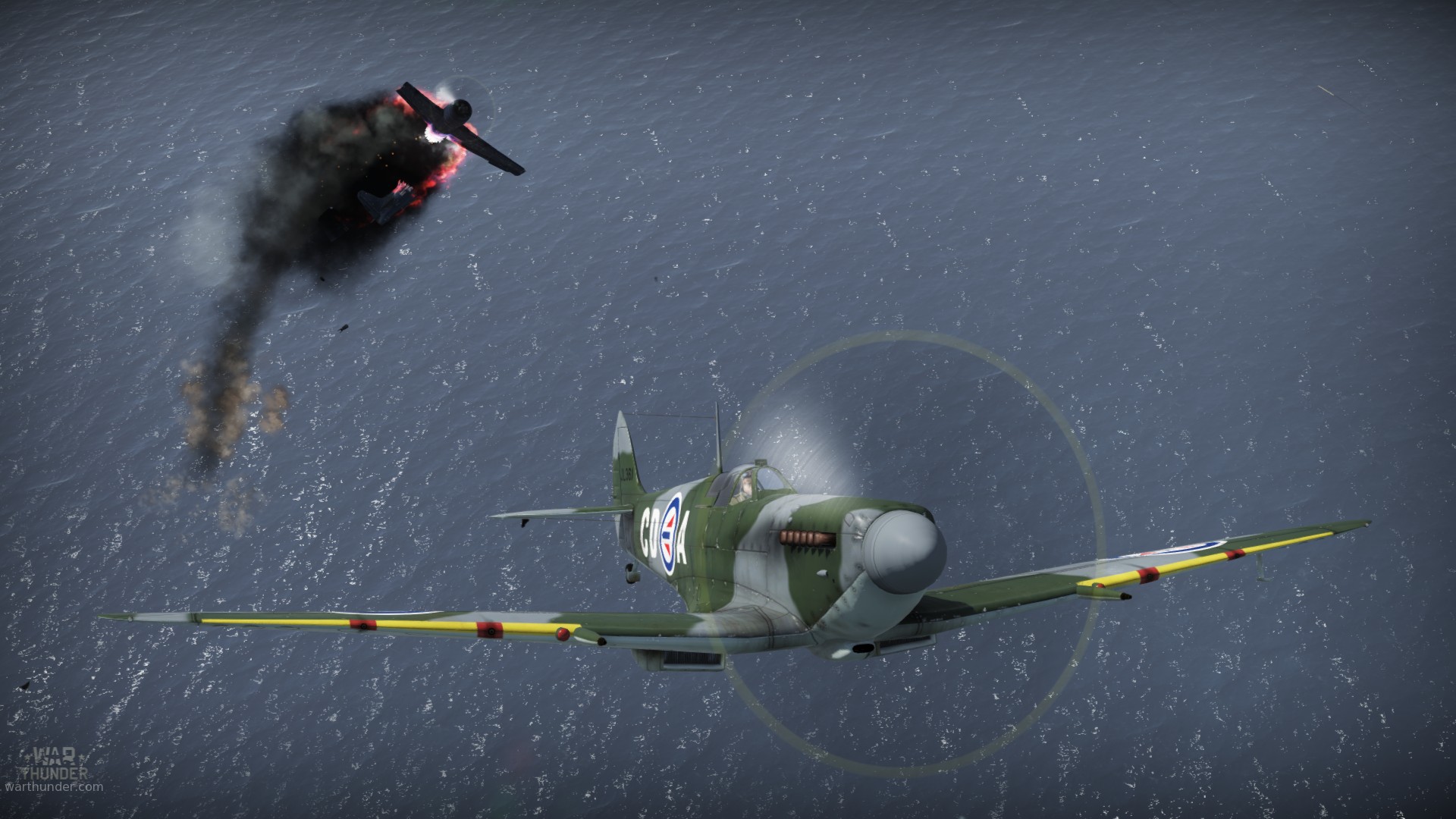
Norwegian Spitfire LF. Mk IX skin by Thorvald_Gerwulf | download here
 |
|
Among other aircraft, the Norwegian pilots trained with P-36 Hawks in Little Norway, a base established near Toronto, Canada. |
The Royal Norwegian Air Force (abbreviated to RNoAF, and in Norwegian, ‘Luftforsvaret’) is Norway’s active air force, formed after the unification of the Army Air Force and the Naval Air Service in 1944, both of which had been in existence since 1915. During the 1930s, when war seemed imminent, Norway felt they needed to modernize their army. They imported several Gloster Gladiators and Heinkel He 115s during the pre-war years, as well as a number of planes from the United States, prior to the German invasion of Norway.
Unfortunately, the offensive ended abruptly in German victory, with the Norwegian army defeated. However, the few Gladiators that Norway had claimed over 10 German planes shot down. While the RNoAF had several Curtiss P-36 Hawks at their disposal, none of them were combat-ready, and ended up captured by the Germans. Since the Norwegian government had gone into exile, the army, as well as the air force, was dismissed and sent to aid Allied units.
 |
|
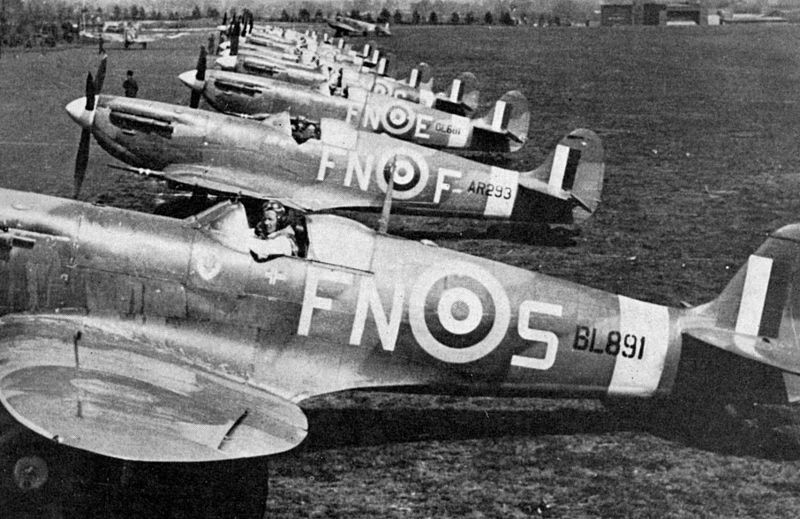
The Norwegian RAF squadrons, the No. 331 and No. 332 operated Spitfires throughout the war. This image shows Spitfire Vs of the No. 331 in spring 1942. |
Although defeated, Norway was not yet down and out, and they did not give up. Norwegian and Canadian officials set up a ground and air force training camp for Norwegian soldiers and escaped refugees who wanted to help free their country in Toronto, nicknamed “Little Norway”. The soldiers that finished their training there were sent to support British armies, while the pilots were enlisted into the RAF forming two Norwegian Spitfire squadrons, the No. 331 and No. 332.
Little Norway was were some of the Norwegian aces were trained. Svein Heglund was one such ace. His primary profession was as an engineer and military officer. However, at the onset of war, he decided to support his country in a more practical way and volunteered for the RAF. With over 16 confirmed kills, he was Norway’s most accomplished ace, earning him the British Distinguished Service Order and Distinguished Flying Cross, as well as the War Cross with two Swords.
.jpg) |
|
Norwegian airmen with the No. 330 squadron protected convoys and patrolled the North Sea with N-3PB Nomads based in Iceland. |
Other honorable mentions include Helner Gustav Einer Grundt Spang, Martin Yngvar Gran, Marius Eriksen Jr. and Werner Christie, each of them attaining 10-12 kills as well as earning a War Cross.
After the war, Norway’s air force was supplied almost entirely by the British, consisting of aircraft such as the Spitfire IX, Mosquito FB and the de Havilland Vampire. During the 1950s they switched to American-made planes such as the F-84 Thunderjet and the F-86 Sabre.
Today, Norway has a much more modernized air force, consisting mostly of heavily upgraded F-16 fighters, fitted for attack, bombing, and interception roles. as well as several P-3 Orion planes used for surveillance and intelligence, along with other non-combat aircraft. The RNoAF is one of the few countries on constant standby for NATO, and has participated in many NATO operations. Norwegian pilots are trained in USA under the Euro-NATO agreement, but grading is conducted in Norway.
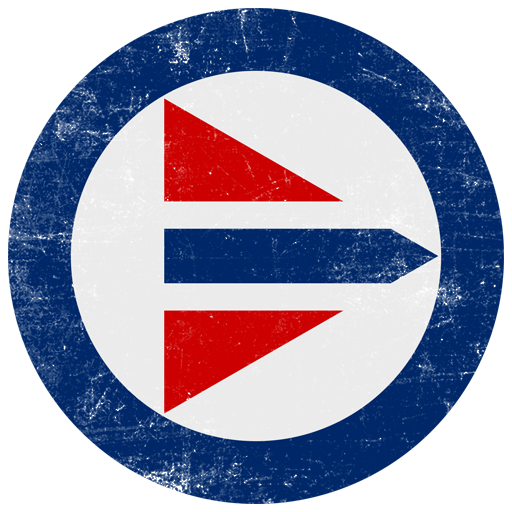
In honor of the Norwegian pilots, we will introduce the Royal Norwegian Air Force roundel with one of the upcoming updates:
The War Thunder Team